Drawing Figure: Posable Models, Mannequins, and Artist Reference Tools
What do you do when you need to draw a figure in a specific pose but have no model available? A quality drawing figure — a posable physical or digital mannequin — solves this problem directly. Whether you work with a traditional wooden posable drawing figure, a fully jointed artist mannequin, or a digital application, the goal is the same: a reference that holds any pose you need for as long as you need it. Understanding the options available for drawing figures for artists helps you invest in the right tool for your specific workflow. A drawing model doll at your desk changes how you approach complex poses, foreshortened views, and lighting studies. Knowing which is the best drawing mannequin for your particular needs takes some research that this guide provides.
The right reference tool does not replace life drawing practice, but it makes the hours between model sessions far more productive.
Types of Drawing Figure Models
The market for artist drawing figure models ranges from inexpensive wooden models to highly articulated action figures to full digital simulations. Understanding what each type offers and where each falls short helps you choose without wasting money on tools that do not suit your practice.
Traditional Wooden Mannequins
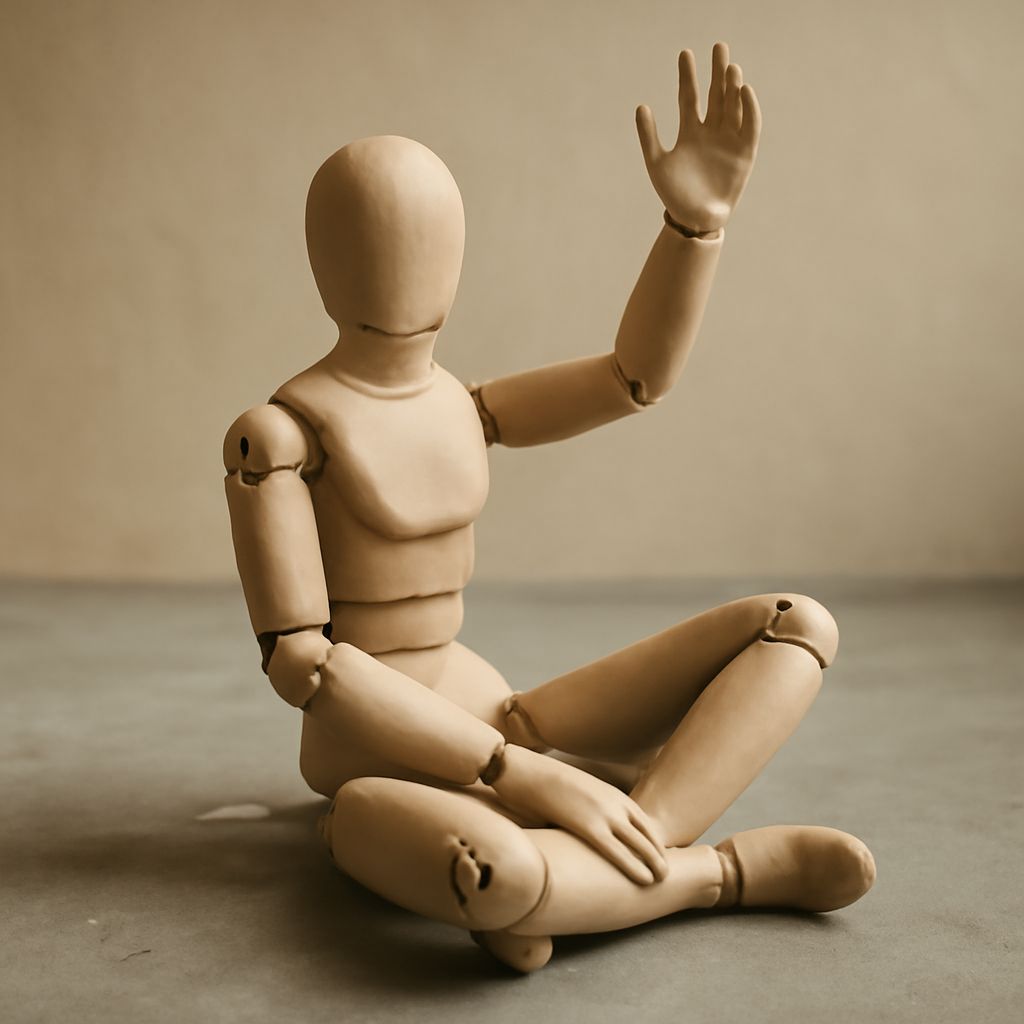
The classic wooden art mannequin has been in use for centuries. A basic wooden drawing figure typically has limited joint articulation — hips, shoulders, and elbows with restricted range — and simplified anatomy with no finger or facial detail. These are inexpensive, immediately available at art supply stores, and useful for basic pose reference. Their main limitation is the imprecise joint placement that can mislead artists about actual human proportions if used uncritically.
Highly Articulated Artist Figures
More expensive posable drawing figure products from manufacturers like 3dtotal, Bandai’s S.H.Figuarts, or Hot Toys provide near-human joint placement with extensive range of motion. These figures have articulated hands, realistic body proportions, and — in the best examples — interchangeable hand sets in different configurations. A high-quality posable drawing figure in this category costs more than a basic wooden mannequin but provides reference that actively improves rather than potentially misleads.
Digital Drawing Figure Tools
Applications like Design Doll, PoseMyArt, and the 3D reference features built into Clip Studio Paint provide digital mannequins you can pose, rotate, and light from any angle. These digital drawing figures for artists solve the problem of needing a specific unusual angle that a physical model cannot replicate easily. The main limitation of digital models is the uncanny valley quality that makes them less useful for studying naturalistic surface anatomy than a physical reference.
What Makes a Drawing Model Doll Actually Useful
The most useful drawing model doll shares several qualities: joint placement that corresponds to actual human skeletal landmarks (not just approximate locations), sufficient joint tension to hold poses without drifting, and a scale that allows you to observe foreshortened views at a useful distance from your drawing surface.
Scale matters more than most artists realize when choosing a drawing model doll. A figure that is too small becomes difficult to observe clearly across a drawing table. A figure around 1/6 scale (approximately 12 inches for an adult human equivalency) provides a good balance of detail visibility and pose observation distance.
Choosing the Best Drawing Mannequin
The best drawing mannequin for your practice depends on what you draw most. Figure-focused illustrators working with single-character poses benefit most from a highly articulated single figure with detailed hand options. Artists who regularly draw groups or action scenes benefit from having multiple simpler figures that can be arranged in relation to each other. Comic artists working at speed often prefer the efficiency of a well-configured digital tool that enables faster pose exploration than physical rearrangement.
Test any best drawing mannequin candidate against your actual common drawing problems before purchasing. If you frequently struggle with three-quarter sitting poses from low viewing angles, test whether the figure holds that specific configuration before investing. The right tool for your practice is the one that solves your actual problems, not the one with the most impressive specification list.