Dragon Anatomy: Wing Structure, Muscle Systems, and Dragon Design Guide
How do you design a creature that has never existed in a way that feels biologically plausible? Dragon anatomy is one of the great challenges in fantasy creature design precisely because there is no real animal to observe — every decision about how a dragon is built requires reasoning from first principles, comparative biology, and creative extrapolation. Understanding dragon wing anatomy matters whether you are illustrating a novel cover, designing a game creature, or simply trying to draw a more convincing dragon. The anatomy of a dragon can be approached systematically, just like any real animal, and the results are far more compelling than creatures designed purely by imagination without structural logic. Even dragon muscle anatomy follows the same functional rules as real animal muscle systems.
This guide covers how to build a biologically coherent anatomy of a dragon, including the structural requirements for flight, the muscle systems that would power such a creature, and how understanding these principles improves your dragon art and design work. It also touches on calligraphy dragon motifs in decorative art traditions.
Building a Biologically Coherent Dragon
Real animals follow a consistent rule: form follows function. Wings that can support a large body require significant surface area and powerful flight muscles. A body that can breathe fire requires specialized anatomy that real biology cannot provide, so designers must make creative decisions about where to anchor the impossible within otherwise plausible structural logic. The most convincing dragon anatomy treats the fire-breathing as the single fantasy concession and makes everything else — bone structure, muscle attachment, respiratory system — follow plausible biological rules.
This approach is what separates the dragons in Game of Thrones’ production design from generic fantasy dragons. The production team consulted bat anatomy for the wing structure, studied eagle musculature for the neck and head, and built a creature whose movement patterns feel earned rather than arbitrary.
Dragon Wing Anatomy: The Flight Problem
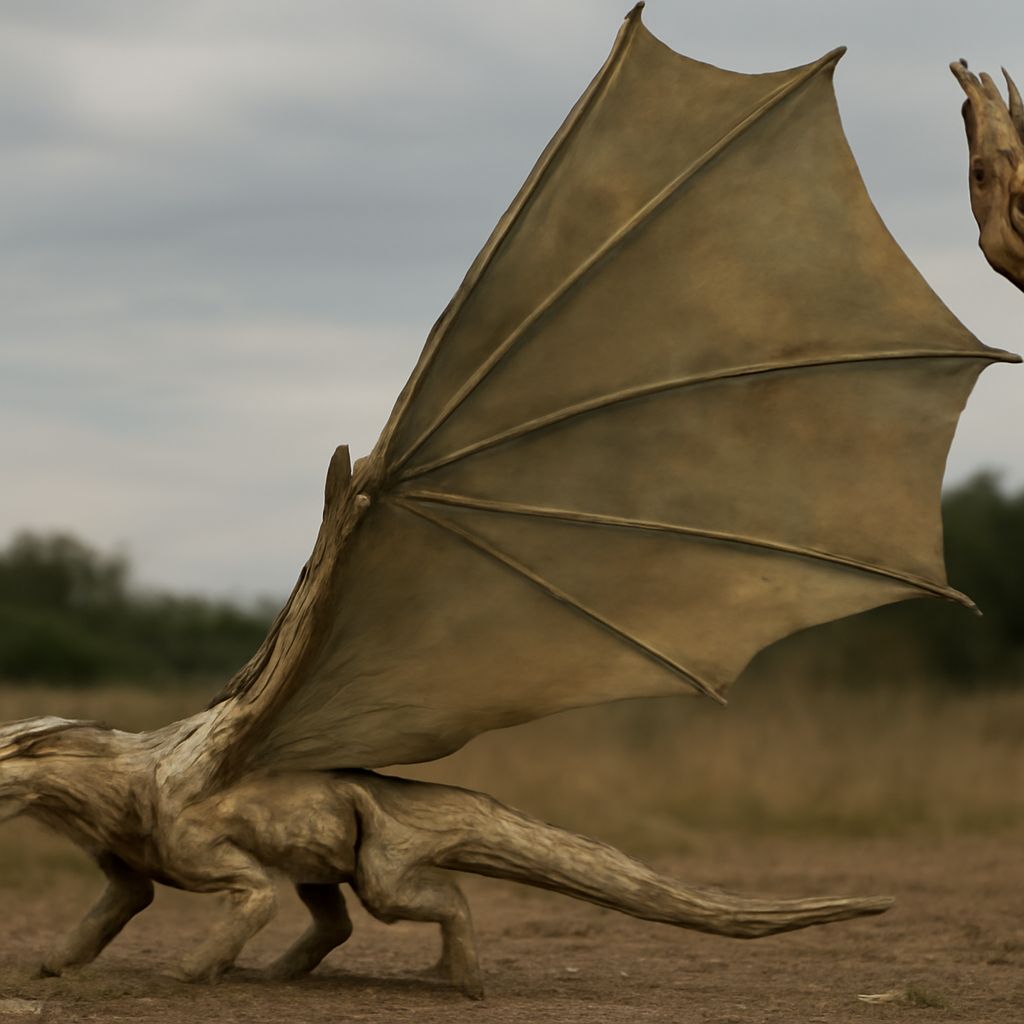
Dragon wing anatomy presents the most significant biological challenge in dragon design. Real flying animals use one of two strategies: birds modified their forelimbs into wings, while bats use elongated finger bones to support membrane wings. A traditional four-limbed dragon with separate wings would require six limbs — four legs plus two wings — which has no vertebrate precedent.
The most structurally coherent solution for dragon wing anatomy is the bat model: the wings are actually elongated forelimbs with webbing, making the dragon functionally a large bat when walking as well as when flying. This is the approach taken in most contemporary fantasy design. The alternative — true six limbs — requires accepting that dragons are a biological category entirely separate from vertebrates, which then opens every design decision to arbitrary choice rather than grounded reasoning.
Dragon Muscle Anatomy for Artists
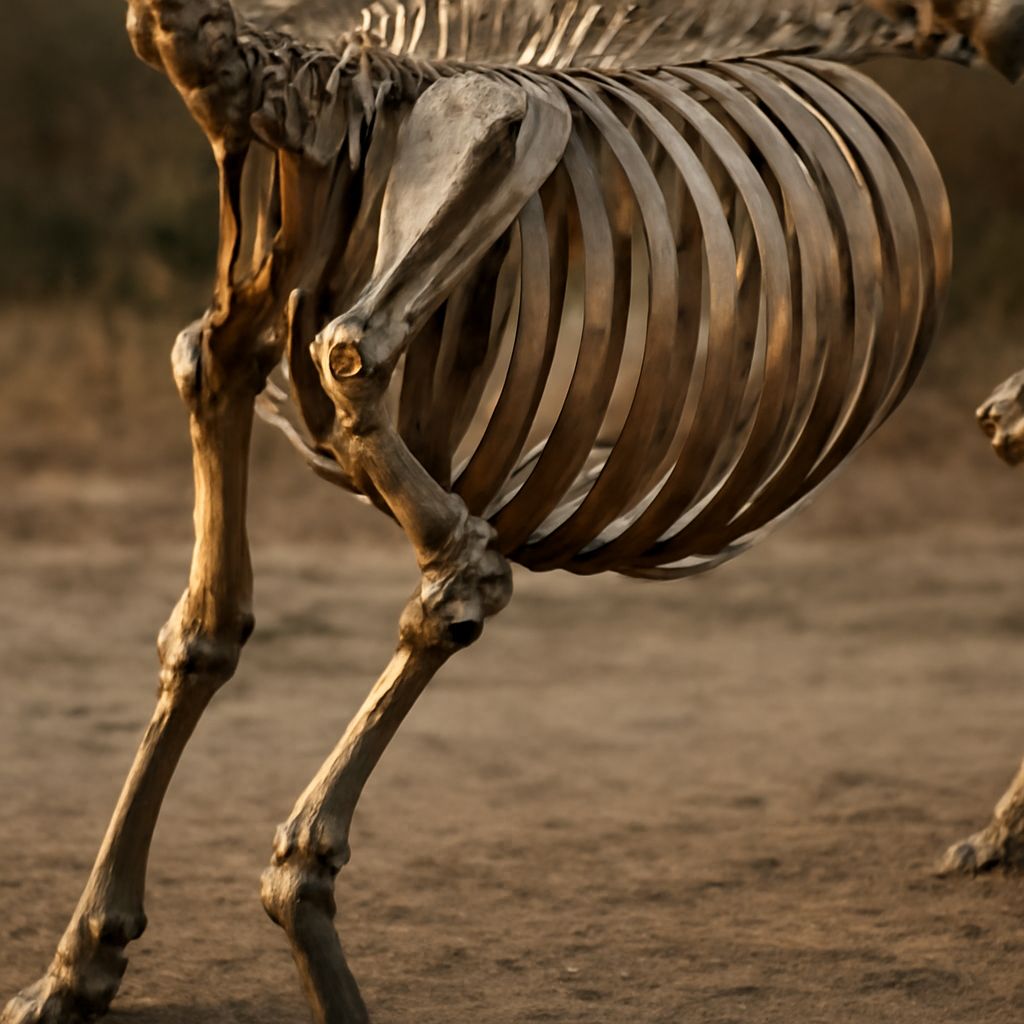
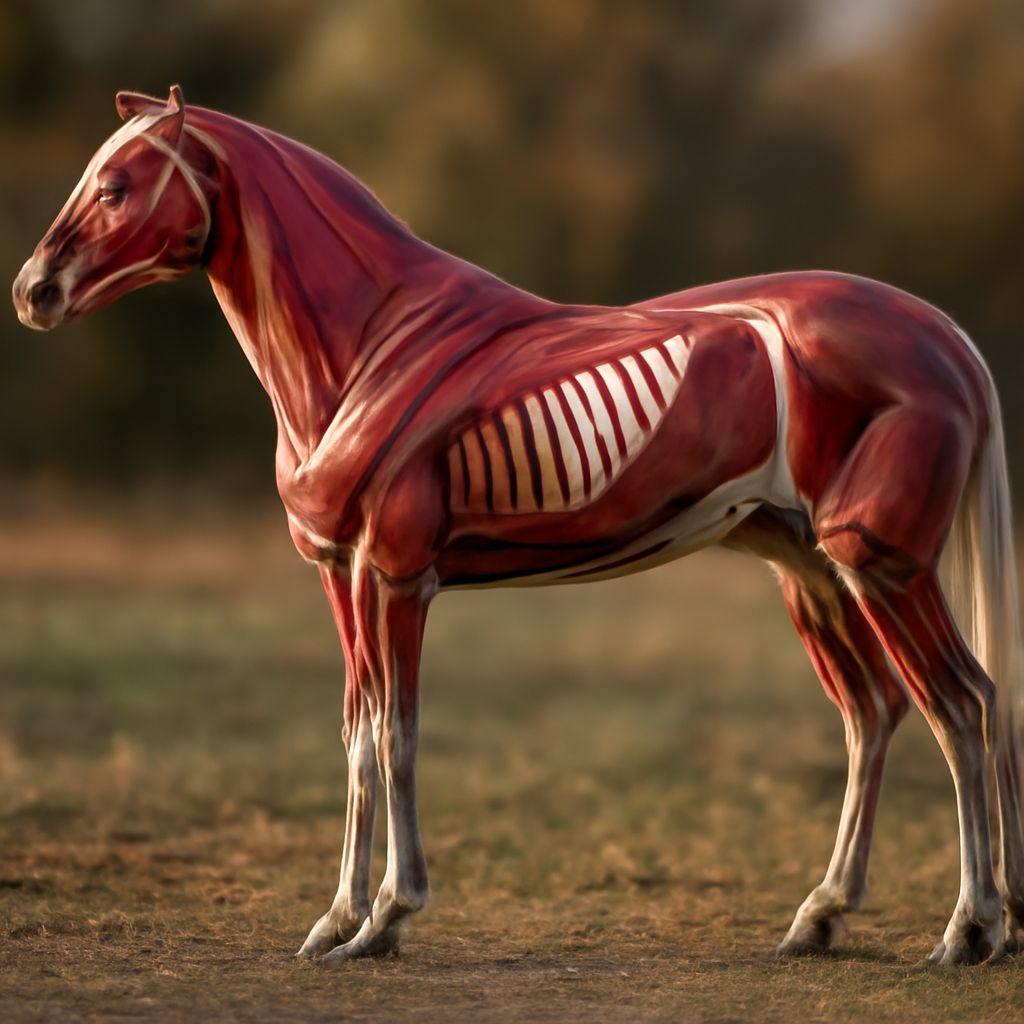
Dragon muscle anatomy should be built from what we know about large flying animals. The pectoralis major — the main flight muscle — would need to be enormous relative to body mass to generate sufficient lift. For a dragon, this muscle would dominate the chest and shoulder area, creating the distinctive deep-chested silhouette common to well-designed dragon illustrations.
The neck muscles of a large predator provide another useful reference for dragon muscle anatomy. Crocodilian and theropod dinosaur neck muscles are powerful enough to drive the head as a striking weapon. A dragon’s neck would need similar musculature, but with additional range of motion to allow the complex head movements involved in directional fire breath. These muscular requirements produce the thick, column-like neck that characterizes the most convincing dragon designs.
Anatomy of a Dragon: Body Plan Decisions
The anatomy of a dragon beyond wings and muscles involves decisions about scale texture, tail function, foot anatomy, and head design. Each of these elements benefits from zoological reference. Scales can be modeled on crocodilian, pangolin, or fish scale patterns depending on whether you want an armored, overlapping, or flexible quality. The tail functions either as a balance organ, a weapon, or a flight rudder, and its thickness, length, and terminal shape follow from that functional decision.
When designing the head, the specific combination of predator features you draw from signals the creature’s ecological role. Eagle-beak elements suggest a hunter by vision. Crocodilian jaw proportions suggest an ambush predator. Wolf-like muzzle elements suggest a pursuit predator. Most dragon designs blend these references, creating a composite predator optimized for dramatic presence rather than any specific hunting strategy.
Calligraphy Dragon Motifs in Decorative Art
The calligraphy dragon is a different tradition entirely — the use of dragon forms in East Asian brush calligraphy and decorative art, where the dragon shape is traced through the flowing movement of a brush stroke rather than constructed from anatomical observation. Chinese calligraphers have long incorporated dragon motifs into their work, and the calligraphy dragon tradition treats the creature’s body as a series of rhythmic curves that mirror the energy of a well-executed brushstroke. This decorative tradition has less interest in biological plausibility and more in the expressive potential of the dragon form as a vehicle for the calligrapher’s line quality and energy.