Drawing Anatomy Reference: Sketch Practice and Artist Reference Guide
Why do some artists seem to draw convincing figures effortlessly while others struggle even with good reference photos? The difference is usually internalized anatomy knowledge. Drawing anatomy reference is not just about having images to copy — it is about building a mental model of the human body that allows you to draw from imagination, correct what you observe, and understand why poses look the way they do. Regular sketch practice from quality anatomy reference for artists builds this internal model systematically. The best anatomy references for artists make the information accessible in ways that directly support drawing rather than medical study. And the right artist anatomy reference materials match your specific learning style and current skill level.
This guide covers how to use anatomy reference effectively, which resources deliver the most learning per hour invested, and how to structure sketch practice that produces cumulative skill rather than isolated sessions.
What Drawing Anatomy Reference Actually Teaches You
Drawing anatomy reference teaches you to see the human figure as a structured, logical system rather than a collection of organic shapes. When you know that the visible bump at the outer elbow is the lateral epicondyle of the humerus, you can predict exactly where that bump will appear in any arm position. Without that knowledge, you are guessing at an organic shape that might be anywhere. Anatomy knowledge replaces guesswork with predictive certainty.
This is why experienced figure artists can draw convincing poses from imagination while beginners struggle even with direct observation. The experienced artist is not seeing more — they are understanding more of what they see. Quality drawing anatomy reference materials accelerate this understanding by presenting the structural logic of the body in ways designed for visual learners rather than medical students.
The Best Anatomy Reference for Artists
The most commonly recommended anatomy reference for artists resources combine clear visual presentation with artist-oriented explanation of why each structure matters for drawing. Key resources worth knowing:
- Bridgman’s Complete Guide to Drawing from Life: George Bridgman’s system of simplifying body masses into geometric blocks remains influential. His approach of understanding the body as interlocking solid forms rather than surface detail is foundational for construction-based drawing.
- Hogarth’s Dynamic Anatomy: Burne Hogarth’s highly stylized approach emphasizes muscle definition and dramatic poses. Better suited to superhero and action illustration than naturalistic figure work.
- Loomis Figure Drawing: Andrew Loomis provides clear, methodical instruction on proportion and construction that works across multiple figure drawing styles.
- Proko online resources: Stan Prokopenko’s YouTube channel and site provide free anatomy references for artists with clear video demonstrations of how muscle systems create visible surface forms.
The best anatomy references for artists for your specific situation depend on whether you are beginning, intermediate, or advanced, and whether you prefer construction-based or observational learning approaches.
Structuring Sketch Practice for Anatomy Learning
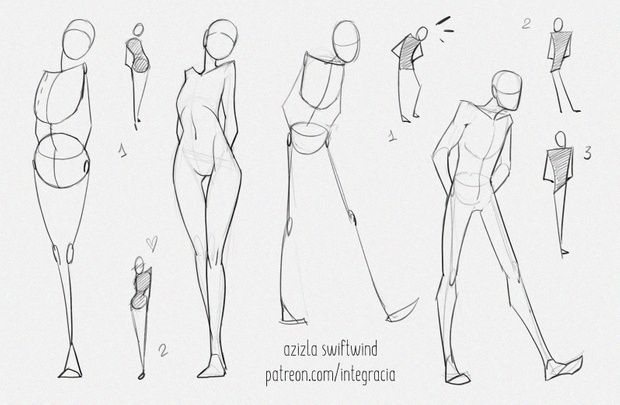
Effective sketch practice for anatomy knowledge follows a progression from structural understanding to surface observation. Begin with skeletal landmark placement in simplified figure sketches — mark the shoulder, hip, knee, and ankle positions before drawing any form. Then add the major masses: rib cage, pelvis, head. Then add the primary visible muscle groups. This bottom-up construction approach internalizes anatomy more reliably than copying surface appearances.
A practical sketch practice schedule: three days per week of 30-minute focused sessions targeting one body region at a time. Spend one week on arm anatomy, the next on leg anatomy, then torso, then head and neck. By rotating through regions systematically, you cover the entire body over a month-long cycle. Repeat the cycle with increasing emphasis on unusual poses, extreme foreshortening, and ultimately imaginative construction without reference.
Artist Anatomy Reference for Digital and Traditional Work
The best artist anatomy reference for digital artists includes three-dimensional interactive tools that traditional resources cannot provide. Applications like PoseMyArt, Anatomy 360, and the anatomy features in Clip Studio Paint allow you to rotate a model to any angle, hide muscle layers to see the skeleton, and light the figure from any direction. These digital artist anatomy reference tools solve the specific problem of needing an unusual viewing angle that no photograph or book plate provides.
Traditional artists benefit most from physical artist anatomy reference in the form of reference books they can place beside their working surface, with bookmarked sections for quick consultation during figure drawing sessions. The ability to glance at a specific muscle cross-section or bone diagram without breaking the drawing flow is more valuable than a more comprehensive reference that requires sustained reading to access the information you need.