K Logo Design: Letter K Logo Ideas and Cool K Logo Styles
What makes the letter K such a dynamic starting point for logo design? The K shape contains inherent tension and energy — two diagonal strokes meeting a vertical, creating a form that reads as active and directional rather than static. A well-designed k logo can lean into this angular energy for brands that want to project dynamism and modernity, or soften it through rounded construction and humanist letterform approaches for brands seeking warmth and accessibility. Whether you are browsing k logos for inspiration, developing a specific letter k logo for a client, surveying logos with k from established brands, or creating a cool k logo for a personal project, understanding the design principles behind effective K-based marks makes your work more intentional and more successful.
This guide covers the K shape’s graphic qualities, strategic approaches to K logo design, how to evaluate quality, and how to deliver professional results.
The K Shape’s Graphic Qualities
The letter K has three components: a vertical stem and two diagonal strokes, typically one upper diagonal and one lower diagonal that meet at or near the center of the vertical. This configuration creates several graphic opportunities not available in more symmetric letters. The two diagonals create strong directional movement — the upper diagonal points upward-right while the lower diagonal points downward-right, creating a diverging energy from the meeting point.
This diverging energy can be exploited in k logo design in several ways: as a symbol of growth or expansion (two paths diverging from a common origin), as a visual echo of spread wings or open arms (accessibility and welcome), or as a mark of sharp precision (the angles suggesting cutting, analysis, or technical capability). The same basic letter shape communicates differently depending on how its angles are handled and what weight and proportion choices are made.
Design Strategies for Letter K Logos
Looking at successful k logos from established brands reveals several consistent design strategies:
- Geometric simplification: Reducing the K to its essential geometric relationships — a vertical and two diagonals with precise mathematical angles — produces a clean, modern mark that reads as technical and precise.
- Organic humanist letterform: Using a K drawn from humanist calligraphic tradition softens the angles and creates a mark that feels personal and approachable rather than mechanical.
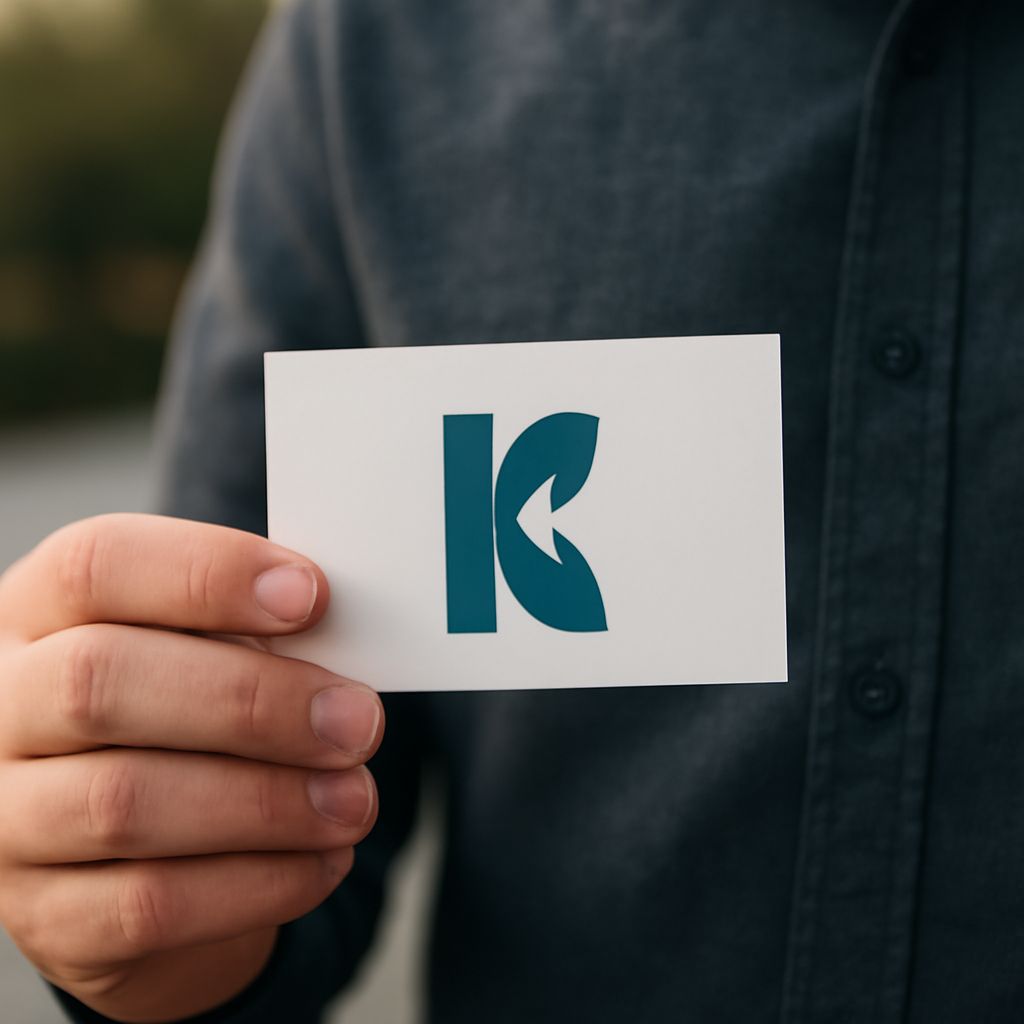
- Negative space activation: Using the space created between the upper and lower diagonals to embed a secondary symbol — an arrow, a shape, a relevant object outline.
- Mirror mark: Reflecting the K to create a symmetrical butterfly or heraldic composition that gives the mark stability and formality.
- Slab and display styles: Using heavy slab serif or bold display letterforms for the K creates marks that project confidence and presence.
Evaluating and Building K Logo Concepts
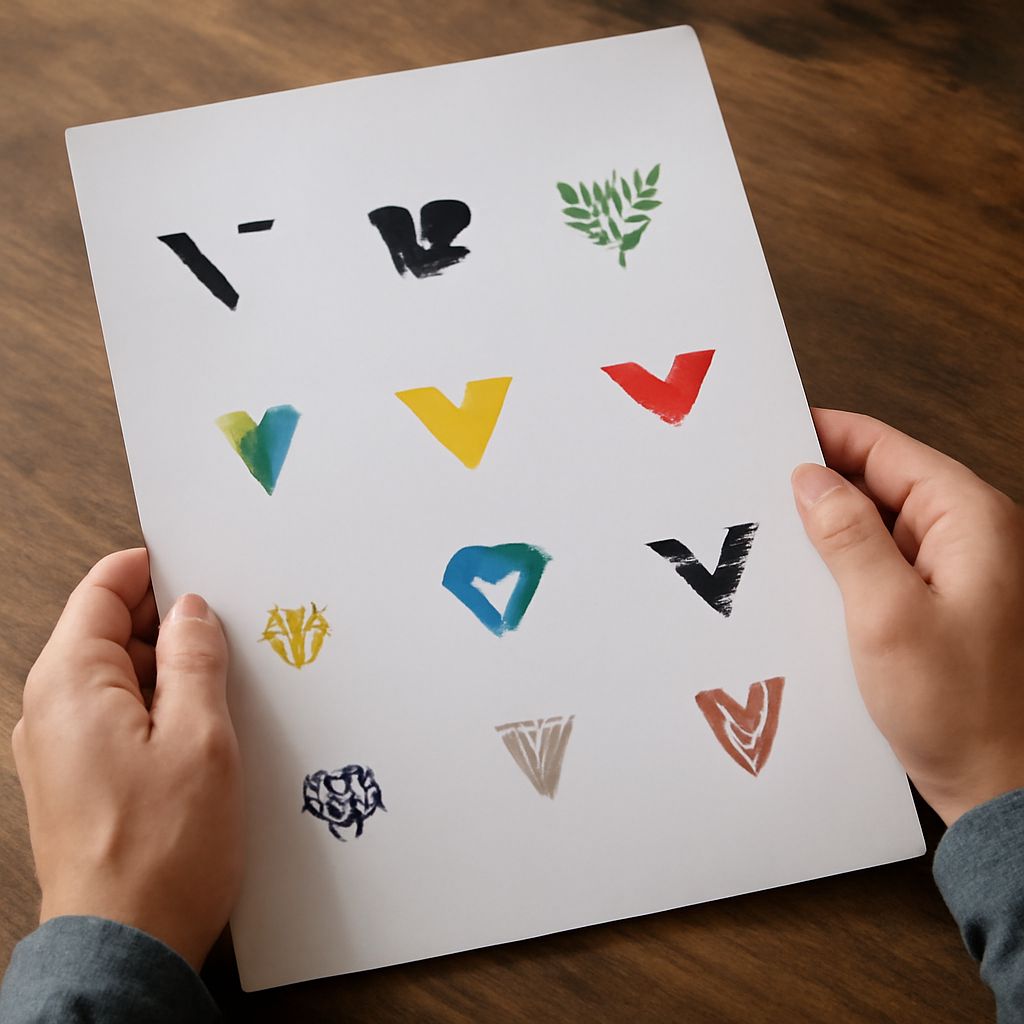
Effective letter k logo development follows the same process as any mark: volume of thumbnails before quality evaluation, black-and-white design before color addition, testing at multiple scales, and evaluation against the brief’s requirements rather than personal preference alone. Generate at least fifteen to twenty letter k logo thumbnail sketches before evaluating any of them — the first ten will be the most obvious approaches, and the interesting concepts typically emerge later in the generation process.
When evaluating logos with k candidates against your brief, test each against the three fundamental logo requirements: it must be recognizable and distinct from competitors, it must work at the full range of sizes from favicon to signage, and it must communicate something specific about the brand’s character rather than being generically professional. A k logo that does all three is a strong design regardless of style category.
Delivering a Cool K Logo
A cool k logo is one where the designer made at least one unexpected choice that gives the mark a distinctive character beyond competent execution of a predictable approach. This unexpected choice might be in the proportions — a K with unusually long diagonals that give it a reaching, aspirational quality — or in the weight — a K so bold that the negative space between the diagonals becomes the primary visual event rather than the letter itself — or in the stylistic reference — a K drawn in the tradition of a very specific historical lettering style that creates a rich contextual association for those who recognize it.
Delivering cool k logo work professionally means presenting it in context: shown against the brand application backgrounds it will actually appear on, at the sizes it will actually be used, and accompanied by the rationale that explains why these specific design choices serve the brand’s needs rather than merely demonstrating technical skill.