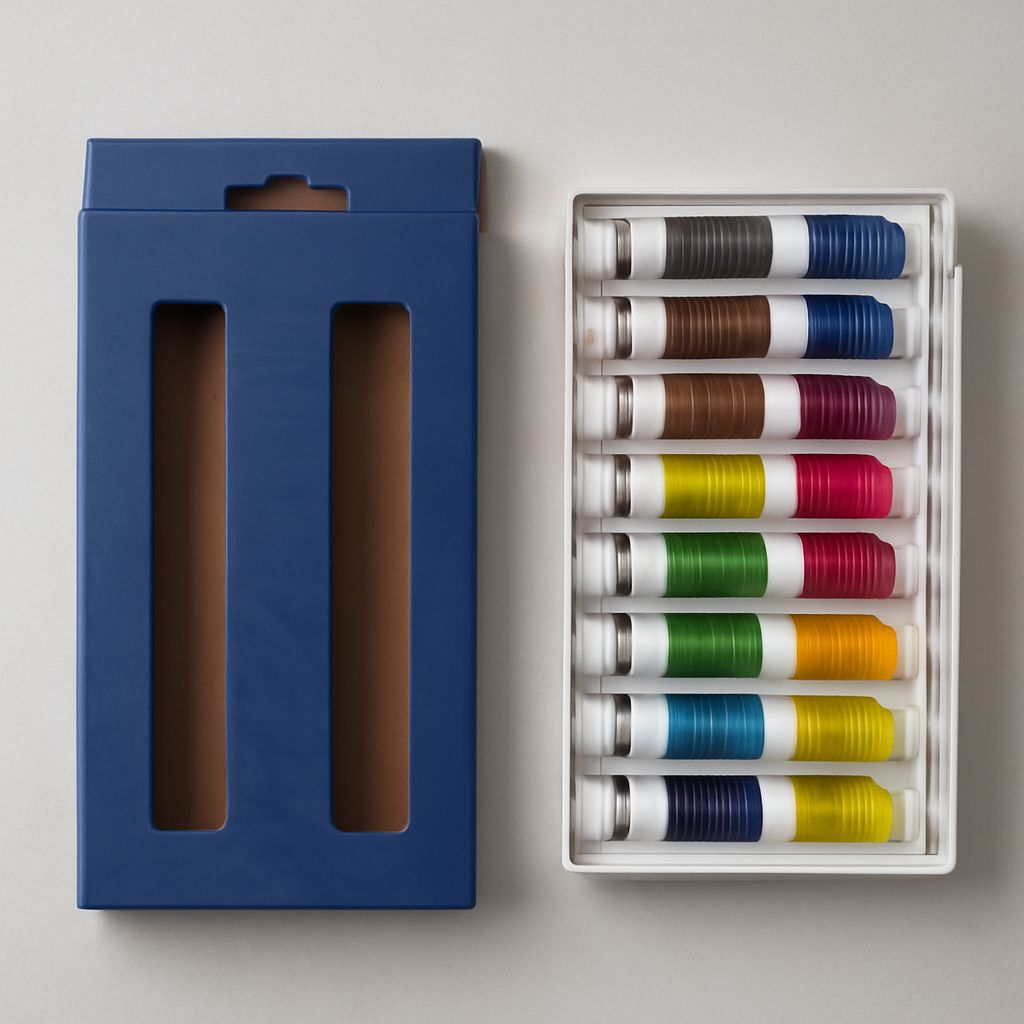
Best Watercolor Paints: Choosing the Right Brands and Palette
How do you know which are truly the best watercolor paints for your skill level and style? The market is crowded with student-grade tubes, artist-grade pans, and everything in between. If you’ve ever stared at a shelf of options and felt genuinely lost, you’re not alone. Choosing the best watercolor palette setup and the right pigments to fill it is one of the most personal decisions in any watercolor practice.
This guide walks you through what separates good watercolor brands from great ones, how to evaluate best watercolor brands based on pigment quality and lightfastness, what the top best watercolor brand picks offer at each price point, and how to identify good watercolor brands that punch above their cost. By the end, you’ll have a clear framework for making smarter purchases.
What Makes Watercolor Paints High Quality
Quality in watercolor comes down to pigment load, binder ratio, and lightfastness rating. Higher pigment concentration means richer color with less paint. A well-balanced gum arabic binder gives you smooth flow without granulation unless you specifically want that effect. When you evaluate the best watercolor paints, always check the pigment code on the label. Single-pigment paints mix more cleanly and give you more predictable results than convenience mixes.
Transparency is another key factor. Watercolor’s signature layering effect depends on paint that allows light to pass through to the paper and bounce back. Opaque paints block that effect. If you want true watercolor luminosity, choose transparent or semi-transparent pigments as the backbone of your palette.
Top Watercolor Brands Worth Knowing
Among the best watercolor brands, a few names appear consistently in professional studios. Winsor and Newton Professional, Daniel Smith, and Schmincke Horadam all offer high pigment loads, excellent lightfastness, and wide color ranges. These are artist-grade lines, meaning the pigment-to-binder ratio is optimized for professional results. If you’re building a serious practice, starting with even a small selection from one of these best watercolor brands gives you a reliable foundation.
For those watching their budget, Holbein and M. Graham offer good watercolor brands at a mid-tier price point without the significant quality drop you see in most student lines. The key difference is that good watercolor brands at this level still use quality pigments; they just have fewer exotic or specialty colors in their range.
Student vs. Artist Grade: Making the Right Call
Student-grade paints use fillers and lower-cost pigments to reduce manufacturing costs. The best watercolor brand at the student level, such as Winsor and Newton Cotman or Royal Talens Van Gogh, still produces usable results for practice and learning. But you’ll notice less vibrancy, faster fading over time, and muddier mixes when you compare them directly to artist-grade equivalents.
If you’re just starting out, beginning with a student-grade set is practical. As your technique develops, replace colors one by one with artist-grade alternatives. This gradual upgrade approach lets you build a best watercolor palette over time without a large upfront investment.
Building Your Best Watercolor Palette
A functional best watercolor palette doesn’t need dozens of colors. Most professional watercolorists work with twelve to twenty pigments, relying on mixing to generate the full spectrum. A solid starting palette includes a warm and cool version of each primary color, one or two earth tones, a neutral dark for shadows, and one specialty color that fits your subject matter.
Pan palettes work well for travel and sketching. Tube paints give you more flexibility for studio work where you need large washes. If you use tubes, invest in an empty palette with deep wells so your paint stays wet longer and mixes more easily. The physical setup of your palette affects your workflow as much as the paint quality itself.
Lightfastness and Long-Term Value
Lightfastness ratings tell you how resistant a pigment is to fading under light exposure. ASTM ratings of I or II indicate excellent to very good resistance. Any serious watercolor practice requires attention to these ratings, especially if you plan to sell work or display it long-term. The best watercolor brands publish full lightfastness data for every color in their lines. If a brand doesn’t provide this information, treat that as a red flag.
Some of the most beautiful pigments have poor lightfastness. Certain purples and magentas fall into this category. Knowing this upfront lets you make informed choices rather than discovering three years later that a prized painting has shifted significantly in color.
Key Takeaways
The best watercolor paints share three qualities: high pigment load, strong lightfastness ratings, and consistent flow. Artist-grade lines from established best watercolor brands deliver the most reliable results, but good watercolor brands at mid-tier prices remain a smart choice for budget-conscious artists. Build your best watercolor palette gradually, starting with primary colors and expanding as your needs become clearer.