Peppermint Font and Specialty Typefaces: Candle, Chaotic, Pinstripe, and Stencil Styles
What do you reach for when a standard sans-serif or serif font won’t communicate the right emotional register for your project? Specialty fonts like a peppermint font, a candle font, a chaotic font, a pinstripe font, and a stencil bold font each carry a specific personality that generic typefaces cannot replicate. These fonts are designed for targeted applications where mood, genre, and visual identity need to align precisely.
This guide breaks down what each of these specialty font styles communicates, where they work best, how to use them without creating visual clutter, and how pairing specialty fonts with neutral typefaces can extend their usefulness across a broader range of design contexts.
Understanding the Peppermint Font Aesthetic
Where It Comes From
A peppermint font typically draws its character from seasonal, confectionery, and holiday visual traditions. The swirling candy stripe, curving letterforms, and often red-and-white color associations give this family of typefaces an immediate seasonal legibility. When you use a peppermint font in a project, you’re activating a set of cultural associations around winter holidays, festivity, and sweetness that transcend the letterforms themselves.
The design challenge with a peppermint font is avoiding the obvious. The font signals its content so loudly that it can feel like a cliche if not used with restraint. Consider using it for a single accent word in a headline rather than the full display treatment. Let the font do one job well rather than dominating the entire layout.
Pairing a Peppermint Font with Neutral Type
Any specialty font, peppermint included, works best when paired with a clean neutral face for body copy. A simple, readable sans-serif lets the specialty display font lead visually while the neutral font handles the actual communication load. This hierarchy keeps your layout functional without sacrificing the decorative impact of the specialty choice.
Candle Font and Atmospheric Typography
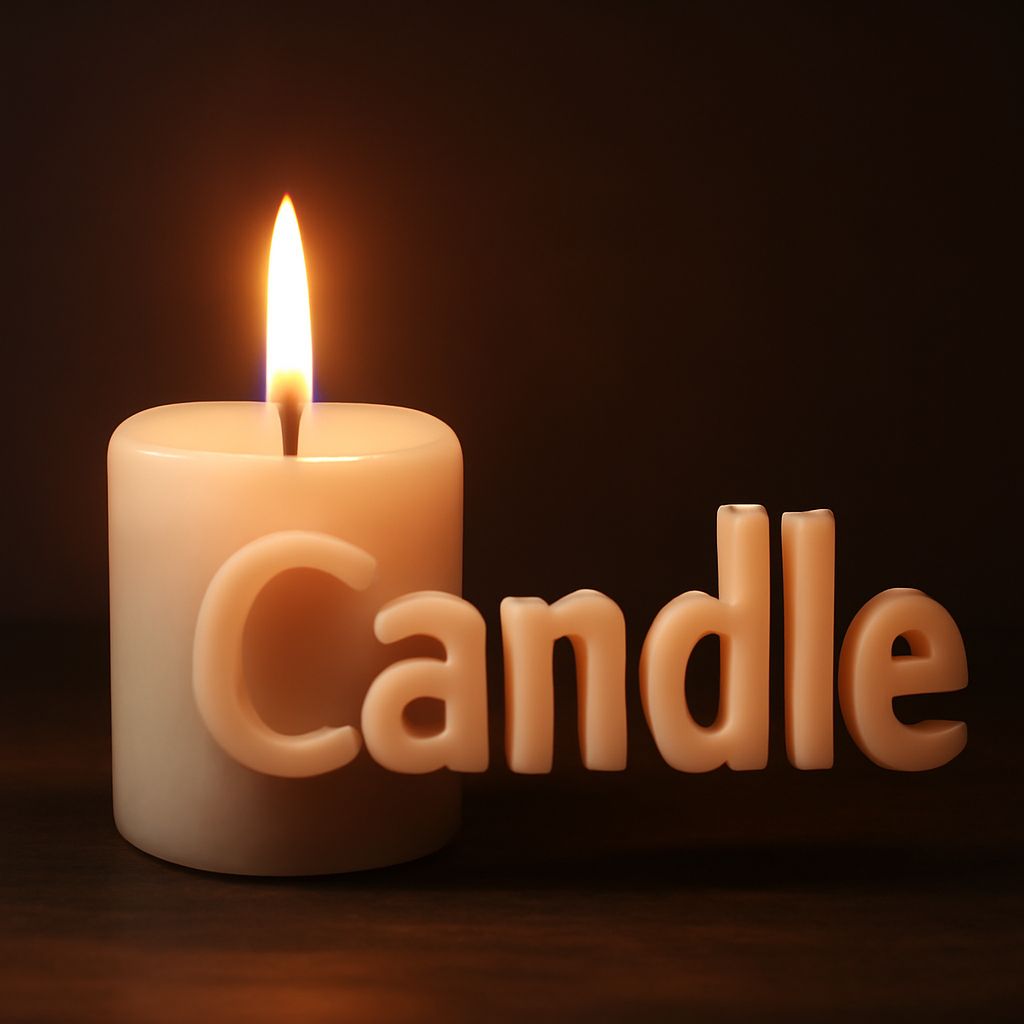
A candle font uses dripping, melting, or flickering letterform characteristics to suggest warmth, mystery, or gothic atmosphere. This font style appears frequently in horror, occult, and artisanal branding where warmth and intimacy are the desired emotional register. The drip characteristic of most candle font designs requires generous line spacing and clear backgrounds; these fonts disappear quickly against textured or dark backgrounds without careful contrast management.
When using a candle font for labels, packaging, or event materials, always test legibility at the smallest size the design will appear at before finalizing your layout. The organic irregularity that makes these fonts charming at large display sizes can destroy readability at small sizes where the drips and melts merge into visual noise.
Chaotic Font: Controlled Disorder in Typography
A chaotic font deliberately breaks typographic conventions, using misaligned baselines, variable letter sizes, irregular spacing, and distressed or fragmented letterforms to create a feeling of disorder, urgency, or subversion. These fonts are common in punk, underground, and countercultural design contexts, as well as in horror and thriller genres where psychological unease is an intentional design goal.
Using a chaotic font effectively requires understanding what the chaos is communicating. A chaotic font used incorrectly reads as a mistake rather than a deliberate aesthetic choice. Context and execution are everything. Pair it with a controlled, professional layout in all other respects, and the chaos of the font reads as intentional contrast. Use it in a sloppily organized layout, and the whole piece looks unfinished.
Pinstripe Font and Stencil Bold Font
A pinstripe font applies the visual logic of pinstripe fabric to letterforms, using thin vertical or diagonal lines within the characters to create texture and a sense of tailored, formal elegance. These fonts appear in vintage-inspired branding, sports team identity, and music industry applications. They read as both precise and decorative, making them useful for projects that need to feel premium but not corporate.
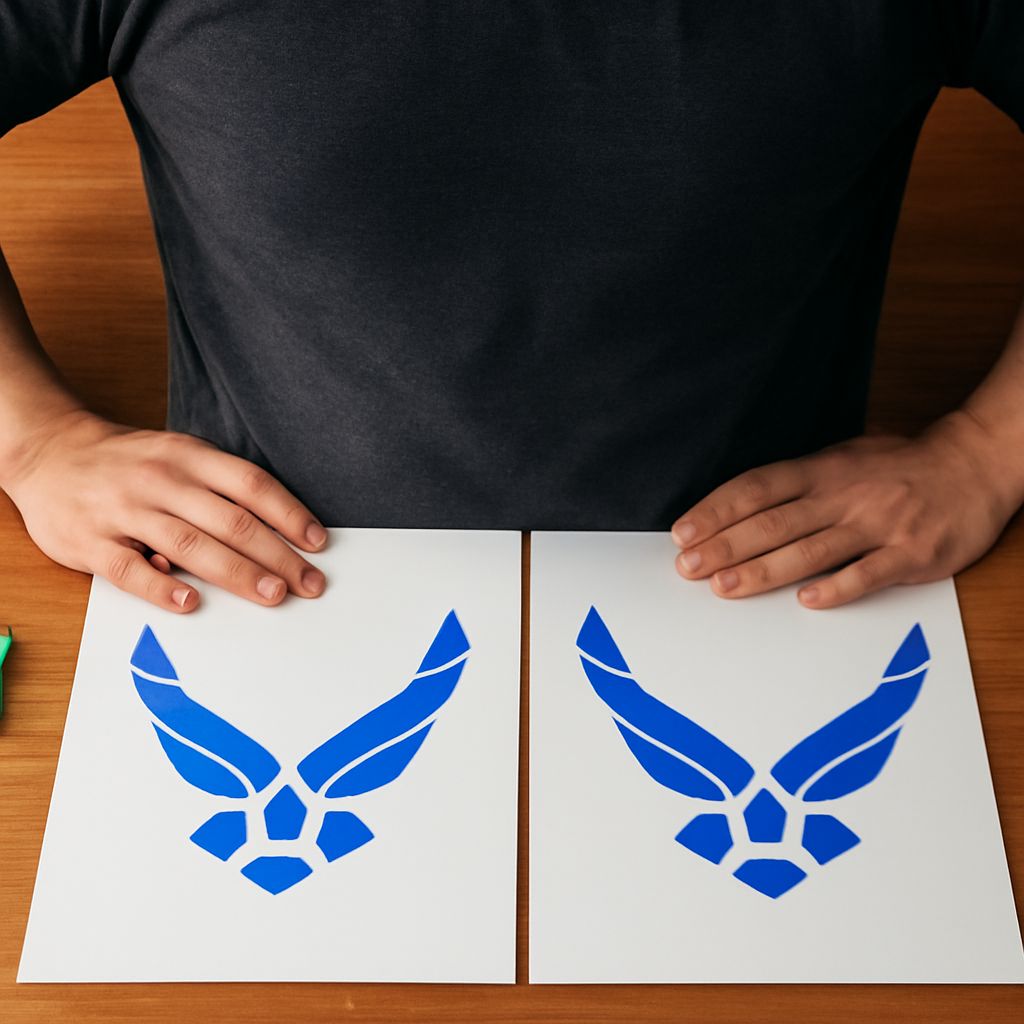
A stencil bold font draws from industrial and military visual traditions. The characteristic gap in letterforms where a physical stencil would need structural bridges gives these fonts immediate associations with manufacturing, logistics, and tactical communication. Stencil bold font designs work well in streetwear branding, outdoor adventure products, and any context where utility and toughness are the desired brand signals.
Both the pinstripe font and the stencil bold font share an important characteristic: they communicate genre quickly and loudly. Use them when your project lives genuinely within the aesthetic world they signal. Applying a stencil bold font to a luxury skincare brand, or a pinstripe font to an industrial product catalog, creates jarring dissonance rather than interesting contrast.