Manifest Destiny Political Cartoon: Reading Historical Cartoons from Versailles to Separation of Powers
What can a manifest destiny political cartoon teach you about how visual satire shaped public opinion before photography and broadcast media dominated communication? More than most people realize. Political cartoons operated as the primary form of mass political commentary for centuries, and learning to read them is both a historical skill and a lesson in how effective visual persuasion actually works. If you study a treaty of versailles political cartoon alongside earlier examples of American expansionist imagery, you start to see how consistent the visual vocabulary of political cartooning has been across very different historical moments.
This guide walks you through how to analyze a manifest destiny political cartoon, what the treaty of versailles cartoon tradition reveals about post-war European anxiety, how a separation of powers political cartoon communicates constitutional complexity, and what the legacy of the looking backward political cartoon teaches illustrators about the power of historical comparison in visual argument.
Reading a Manifest Destiny Political Cartoon
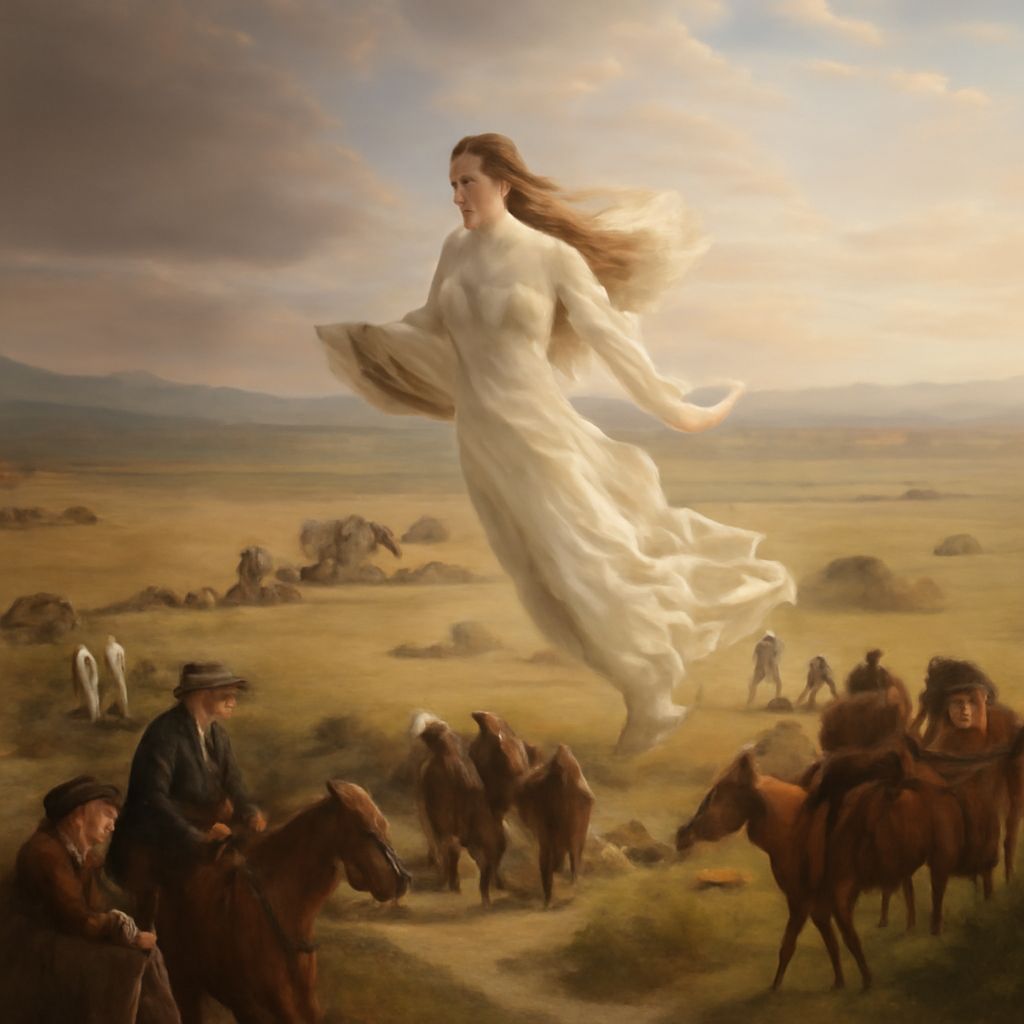
A manifest destiny political cartoon from the nineteenth century typically deploys a small set of recurring visual conventions. Columbia or Liberty as a female allegorical figure advances westward, sometimes literally floating above the landscape, sometimes driving settlers before her. Native American and bison figures retreat to the left of the frame. Railroads, telegraph lines, and farming equipment appear as markers of “civilization” spreading across the continent. The manifest destiny political cartoon made an explicitly ideological argument using the visual language of progress and light versus darkness.
When you analyze these images, pay attention to scale. The allegorical figure typically dwarfs the settlers she leads, suggesting divine or national sanction rather than individual action. The retreating figures are often shown in shadow or moving toward a dark, undefined edge of the frame. These scale and light relationships communicate hierarchy and inevitability without a single word of caption text. Understanding how this works informs how you approach persuasive illustration today.
The Treaty of Versailles Political Cartoon Tradition
Treaty of versailles political cartoon work appeared in the immediate aftermath of 1919 and continued through the following decade as the consequences of the peace settlement became clearer. The most famous examples used the image of a small child labeled “Class of 1940” being held or observed by the statesmen signing the treaty, a prediction of the generation that would fight the next war those terms made inevitable. A treaty of versailles cartoon in this tradition required no explanation to a contemporary audience because the cultural context was shared.
What makes these cartoons interesting to artists today is their compression. A single image had to carry the argument that a newspaper editorial might make in five hundred words. The selection of which elements to include and which to exclude was a precise editorial act, not just an illustrative one. This discipline of visual compression is exactly what effective infographic and editorial illustration still requires.
Separation of Powers Political Cartoon and Constitutional Imagery
A separation of powers political cartoon faces a different challenge than cartoons dealing with specific historical events: it must represent an abstract constitutional concept using concrete visual metaphor. Common approaches include depicting the three branches as separate buildings or pillars that must balance each other, as figures on a seesaw or scale, or as competing forces pulling a central government figure in different directions.
The separation of powers political cartoon tradition shows how illustrators solve the problem of making abstract governance structures legible to a general audience. The solutions are consistently spatial: three-part divisions, balance imagery, tension between competing forces. When you need to illustrate abstract systems in your own work, this tradition offers a well-tested repertoire of visual strategies.
The Looking Backward Political Cartoon and Historical Comparison
The looking backward political cartoon refers to a genre of comparative imagery that places a current political situation alongside a historical precedent. The title references Edward Bellamy’s influential 1888 utopian novel, but the visual approach, showing a figure looking back at the past to comment on the present, predates that specific reference. A looking backward political cartoon implicitly argues that history is repeating or that current leaders are failing to learn from past mistakes.
This format remains one of the most powerful structures in political illustration. The juxtaposition of then and now creates an argument without direct statement. The viewer makes the connection, which means they arrive at the intended conclusion through their own reasoning rather than being told. This participatory element is what makes comparative political cartooning so much more persuasive than simple declaration.