Rabbit Anatomy, Finger Joint Anatomy, and Floral Anatomy for Artists and Tattoo Designers
Why do artists who study rabbit anatomy, finger joint anatomy, and floral anatomy produce more convincing work than those who draw from imagination alone? The answer is that anatomical knowledge replaces guesswork with understanding. When you know how a rabbit’s long hind limbs relate to its short spine and broad pelvis, you draw rabbits that read as real animals rather than generic fluffy shapes. The same principle applies to anatomy tattoos, where precision and structural accuracy determine whether a design reads as genuinely skilled or merely decorative.
This guide covers the key anatomical systems artists need for rabbit anatomy, the specific joint structures that matter for finger joint anatomy drawing, how floral anatomy informs botanical illustration, and how manga anatomy conventions simplify biological complexity into efficient visual shorthand that still reads as believable.
Rabbit Anatomy for Artists
Skeletal Proportions and Pose
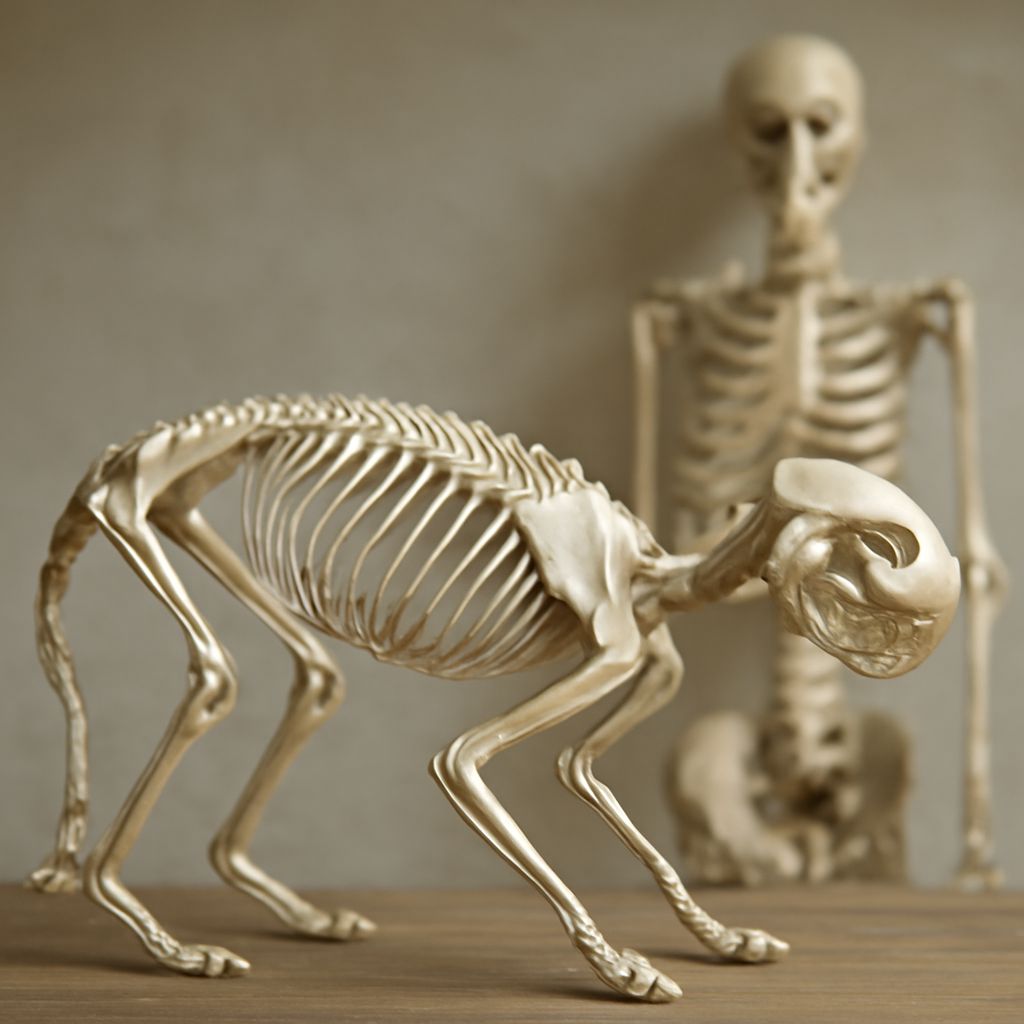
Rabbit anatomy is defined by the extreme length ratio between the hind and fore limbs. The hind legs are dramatically longer than the front legs, creating the characteristic crouched posture when the animal is at rest and the explosive extension when jumping. The spine is flexible and arcs significantly during locomotion, contributing to the looping silhouette of a bounding rabbit that distinguishes it from other quadrupeds.
When you draw rabbit anatomy at rest, the hind legs fold underneath the body, creating a compact, rounded silhouette dominated by the large barrel-shaped ribcage. The ears, which can be a significant proportion of the total body height, introduce vertical elements that break the horizontal mass. Understanding these mass relationships before adding surface detail produces animal drawings that feel structurally grounded rather than assembled from visual clichés.
Surface Texture and Fur Direction
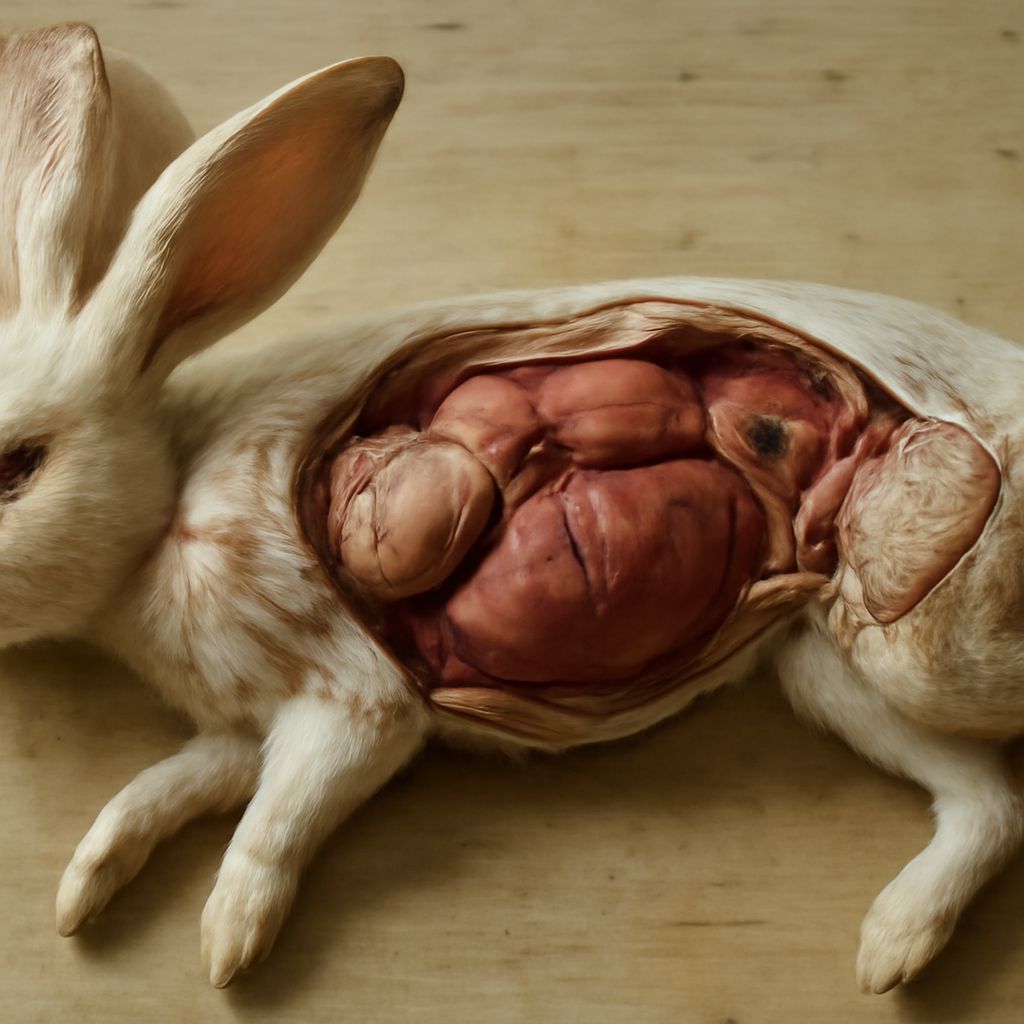
Rabbit fur grows in directions that follow the underlying body contours, creating visible flow patterns that reveal the form beneath. Around joints and at the belly, fur direction shifts in ways that tell you about the underlying structure. Observing and representing these flow patterns accurately is one of the marks of careful animal drawing. It applies directly to anatomy tattoos featuring animals, where fur direction on small-scale work must be decided deliberately rather than left to chance.
Finger Joint Anatomy for Drawing and Tattoo Design
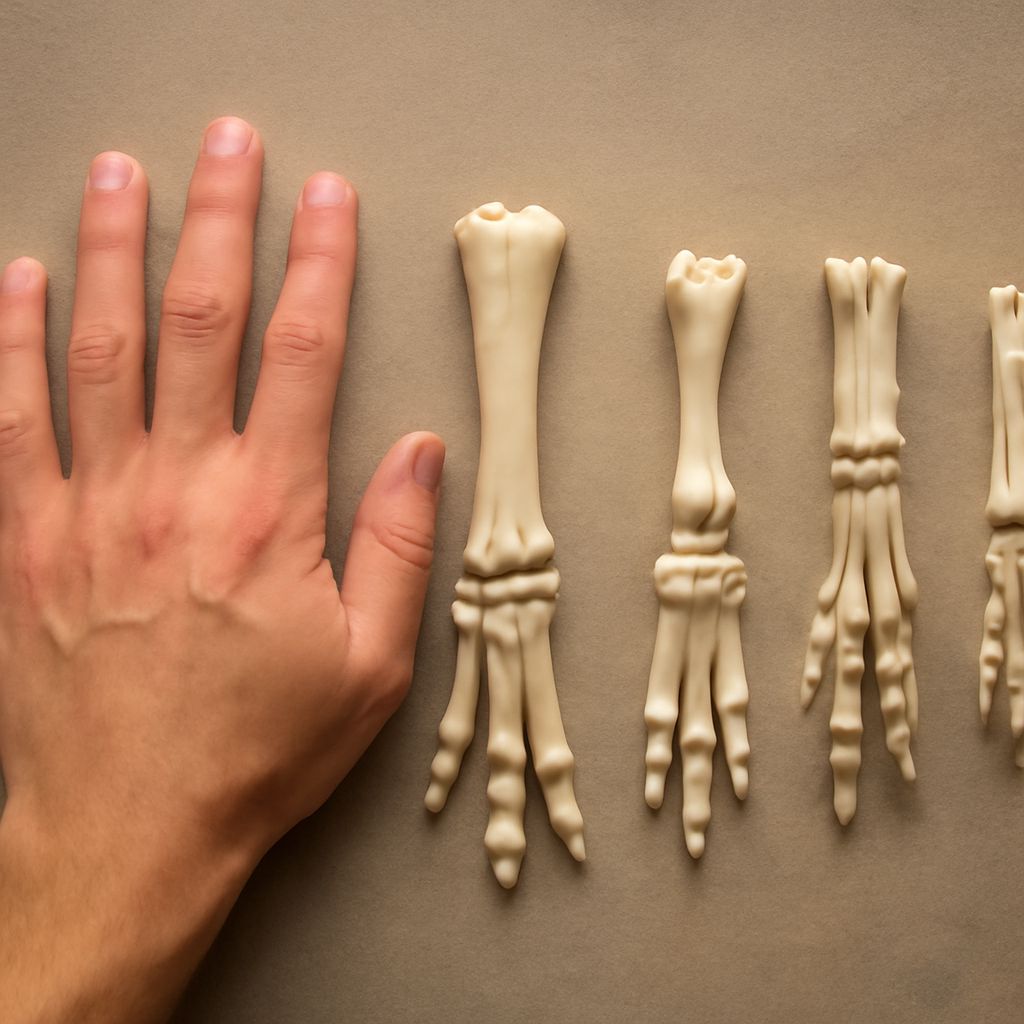
Finger joint anatomy is one of the most frequently requested subjects in anatomy tattoos and one of the most consistently misrepresented in casual illustration. The knuckles of the fingers are not simple bumps; they are complex joint structures involving the condyles of the metacarpal bones, the base of the proximal phalanges, and the extensor tendon apparatus that runs over the top of each joint. When the hand is at rest, the knuckles form a gentle arch. When the hand forms a fist, they become the dominant surface feature of the dorsal hand.
For finger joint anatomy in drawing, the most important thing to understand is how the joint moves and what changes at the surface when it flexes. The skin over the knuckle bunches and folds during flexion, creating characteristic wrinkle patterns that are highly individual. Anatomy tattoos featuring knuckle or finger joint detail must account for these surface behaviors rather than representing joints as static structures.
Manga Anatomy and Stylized Body Structure
Manga anatomy represents a deliberate simplification and modification of realistic human anatomy for expressive purposes. The manga tradition extends limb proportions beyond realistic ranges, simplifies joint structures into smooth, clean transitions, reduces surface muscle detail in favor of smooth contour lines, and exaggerates facial features, particularly eyes, for emotional expressiveness. These are not anatomical errors; they are intentional design decisions that optimize the body for narrative and emotional communication rather than realistic representation.
Understanding manga anatomy well means understanding which anatomical features are kept, which are simplified, and which are exaggerated, and why those specific choices serve the form. This analysis is useful for any artist working in a stylized tradition because it reveals the intentional logic behind apparent distortions.
Floral Anatomy in Botanical Illustration and Tattoos
Floral anatomy encompasses the structures of flowers: petals, sepals, stamens, pistils, receptacles, and the specific arrangements that vary across species. For botanical illustration, accurate floral anatomy is essential because the whole point of the illustration is taxonomic communication. For anatomy tattoos featuring flowers, floral anatomy knowledge allows the designer to render botanically accurate flowers rather than generic approximations.
The most valuable anatomical knowledge for illustrating flowers is understanding the symmetry systems flowers follow. Radially symmetrical flowers like daisies have petals arranged around a central axis. Bilaterally symmetrical flowers like orchids have a left-right mirror arrangement. Getting the symmetry system right before adding individual petal detail produces more accurate floral anatomy drawings than trying to draw petals individually without a structural framework.
Pro tips recap: Study actual specimens and quality reference photographs for rabbit anatomy and floral anatomy rather than relying on other artists’ work. For finger joint anatomy and anatomy tattoos, observe your own hand in multiple positions before designing any detail work. Manga anatomy is most effectively learned by analyzing existing work analytically rather than copying it, to understand the decision-making behind each convention.