Drawing Day: Daily Drawing Exercises, the 100 Day Challenge, and Building a Drawing Practice
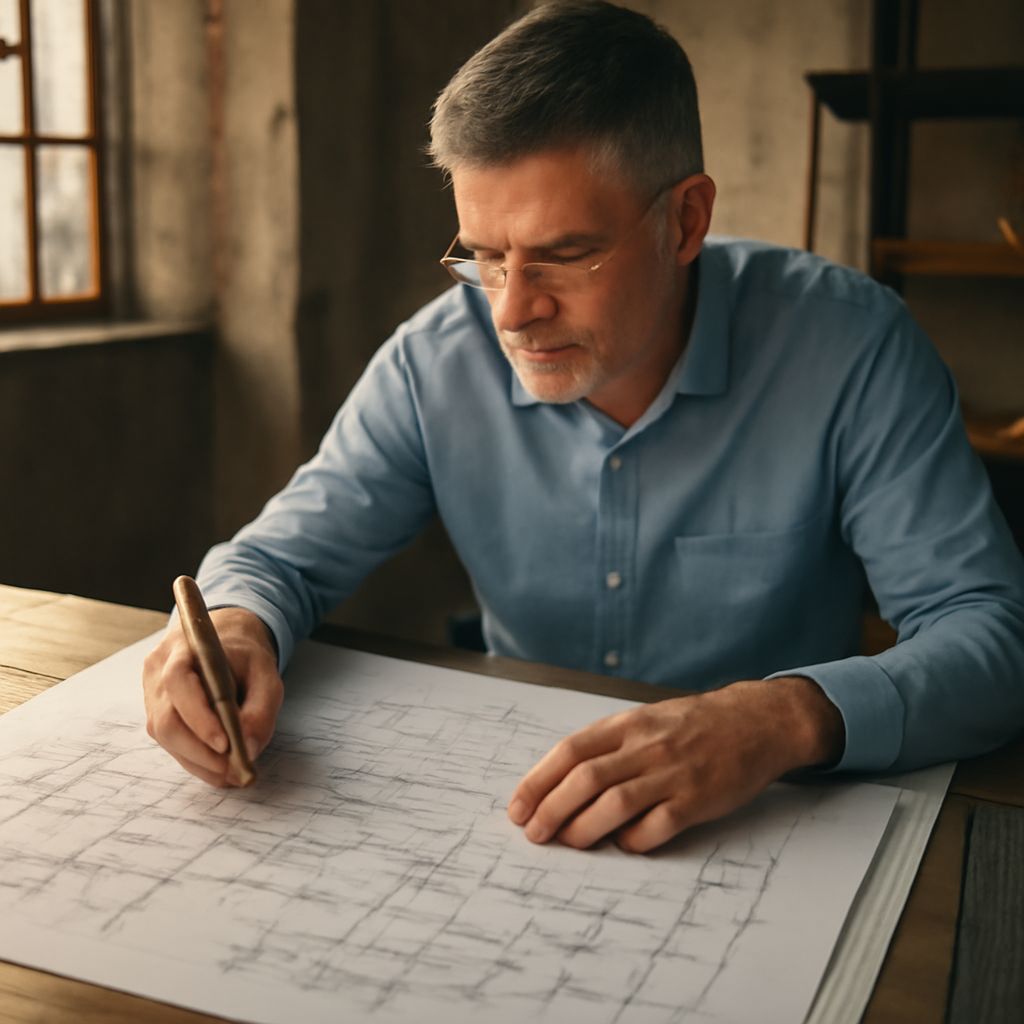
What happens to your drawing when you commit to a drawing day, every day, for an extended period? The first few weeks feel mechanical. Then something shifts. Your hand starts moving with more confidence. Your problem-solving time per drawing shortens. Your decision-making becomes more intuitive. This is what daily drawing exercises actually produce: not just more drawings, but a fundamentally different relationship with the practice of drawing.
This guide explores how to structure a drawing day for maximum skill development, what daily drawing exercises produce the fastest results, how a daily infographic approach can inform your visual habit-building, what makes a drawing a day commitment sustainable over time, and how to design and survive a 100 day drawing challenge without burning out.
Structuring Your Drawing Day for Real Progress
What You Do with the Time Matters
A drawing day that consists entirely of finished drawings is less valuable for skill development than one that mixes deliberate practice with creative application. Deliberate practice means working specifically on your weakest areas with focused attention and corrective feedback. If your perspective is weak, your drawing day should include perspective exercises, not just more drawings that avoid perspective. If your figure drawing lacks structural confidence, anatomy studies should appear regularly in your daily drawing exercises.
The most effective drawing day structure sets aside the first third of your available time for deliberate practice on a specific weakness, the middle third for applying that skill in a complete drawing, and the final third for free creative work without constraints. This structure ensures that focused improvement and creative enjoyment both get consistent time.
Tracking and Accountability
A drawing a day practice needs some form of documentation and review to produce optimal results. Photograph or scan every drawing before moving on. Review your work weekly, looking specifically for improvement in your target areas rather than just admiring your favorite pieces. This review habit turns a daily infographic of your own progress visible, letting you make adjustments to your daily drawing exercises rather than repeating the same approaches indefinitely.
Daily Drawing Exercises That Produce Results
The most productive daily drawing exercises are short, focused, and repeatable. Five-minute gesture drawings done in sets of ten build speed, fluidity, and the ability to capture essential information quickly. Box and cylinder perspective exercises repeated at the start of each drawing day build spatial confidence that transfers to every other subject you draw. Value scales drawn in five-minute sessions develop tonal control. Word-prompt drawings, where you select a random word and illustrate it within ten minutes, build creative agility and force you to solve novel visual problems on a deadline.
Structure your daily drawing exercises so you rotate through different skill areas across the week. Monday might be gesture and figure. Tuesday might be perspective and architecture. Wednesday might be texture and material rendering. This rotation keeps you from over-developing one skill while neglecting others.
Running a 100 Day Drawing Challenge
A 100 day drawing challenge is the most common extended commitment in the drawing community, and it works best when you define specific parameters before you start. Will you produce one finished drawing per day or a specific type of exercise? Will you follow prompts or generate your own subjects? How long is each drawing session? What counts as “done”? Clarity on these parameters before day one prevents the definitional drift that kills most challenges in weeks three through five when motivation drops.
The middle third of any 100 day drawing challenge is the hardest. Days thirty through seventy typically see the highest dropout rates because the initial novelty has worn off and the finish line is not yet close enough to motivate. Pre-plan strategies for the middle stretch: schedule a change of medium, a guest prompt series, or a collab challenge with another artist. These external structure changes keep the drawing a day commitment alive through the trough.
Bottom line: A consistent drawing day practice, supported by structured daily drawing exercises and periodically anchored by a 100 day drawing challenge, produces more measurable skill growth than any other approach. The habit itself is the mechanism. Show up with a drawing a day commitment and the improvement follows.