Calligraphy Styles: A Guide to Types, Scripts, and Choosing Your Calligraphy Style
How do you navigate the broad world of calligraphy styles when every tradition claims to be worth learning? The answer is to understand what differentiates major calligraphy types from each other before investing significant time in any single direction. Whether you’re drawn to the geometric precision of specific calligraphy scripts or the flowing energy of modern brush work, knowing the landscape of styles of calligraphy helps you make a deliberate choice that fits your goals rather than a random one based on whatever you happened to encounter first.
This guide covers the major calligraphy styles in practice today, how calligraphy types differ in tool requirements and technique, what distinguishes various calligraphy scripts from each other historically and visually, the range of styles of calligraphy available across Western and non-Western traditions, and practical guidance for choosing the calligraphy style that fits your current skill level and long-term goals.
Major Calligraphy Types and Their Tools
Broad-Edge Pen Calligraphy
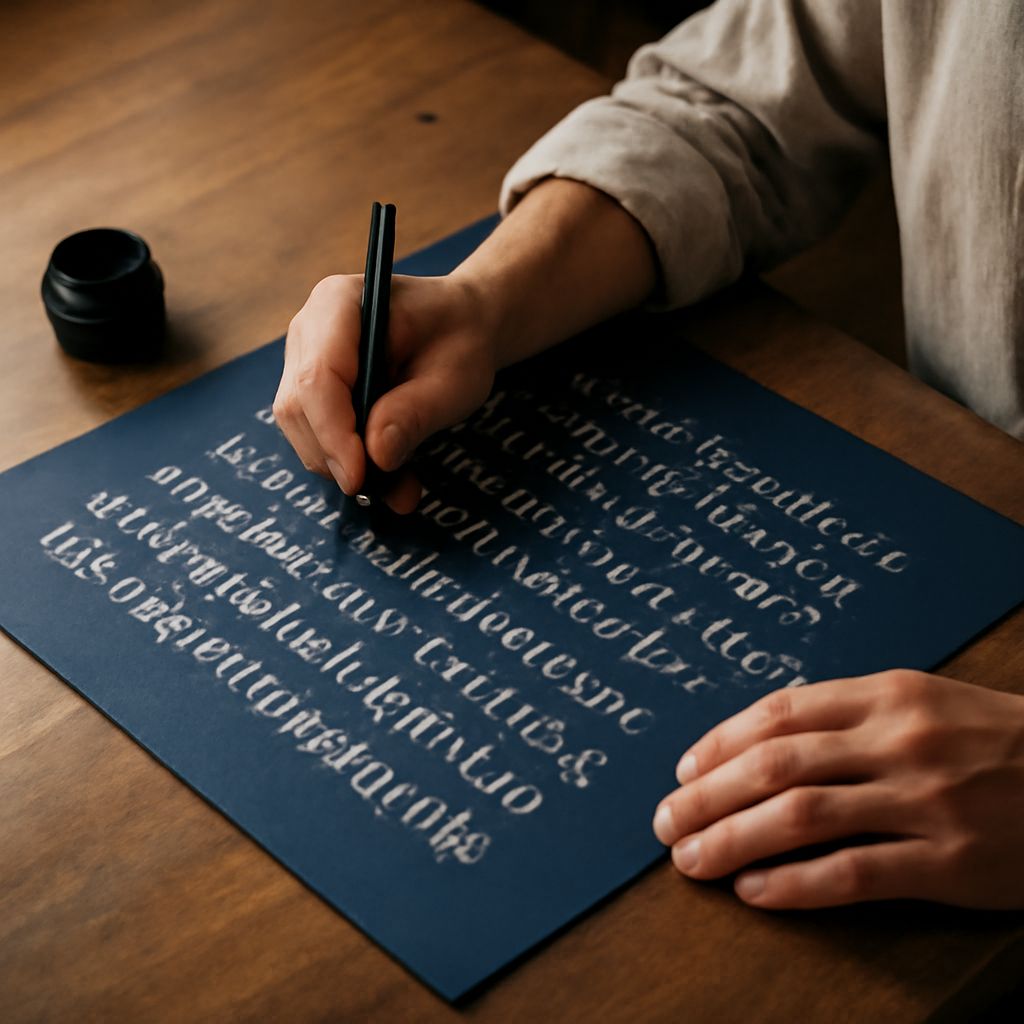
Broad-edge pen calligraphy uses a flat nib that creates automatic thick-thin variation as the pen changes direction. Italic, Uncial, Blackletter, and Carolingian are all calligraphy styles that use broad-edge tools. The angle at which you hold the pen relative to the writing line determines the pattern of thick and thin strokes in each calligraphy style. Changing the pen angle changes the visual character of the letterforms even with the same alphabet. This makes broad-edge calligraphy types highly flexible in terms of expression while maintaining technical rigor in execution.
The most common tools for broad-edge calligraphy styles are dip pens with interchangeable metal nibs, fountain pens with calligraphy-specific nibs, and broad-edge markers for practice and quick work. Each tool produces a slightly different ink flow and edge quality, and experienced calligraphers typically have preferences based on their specific calligraphy style and the writing surface they prefer.
Pointed Pen Calligraphy
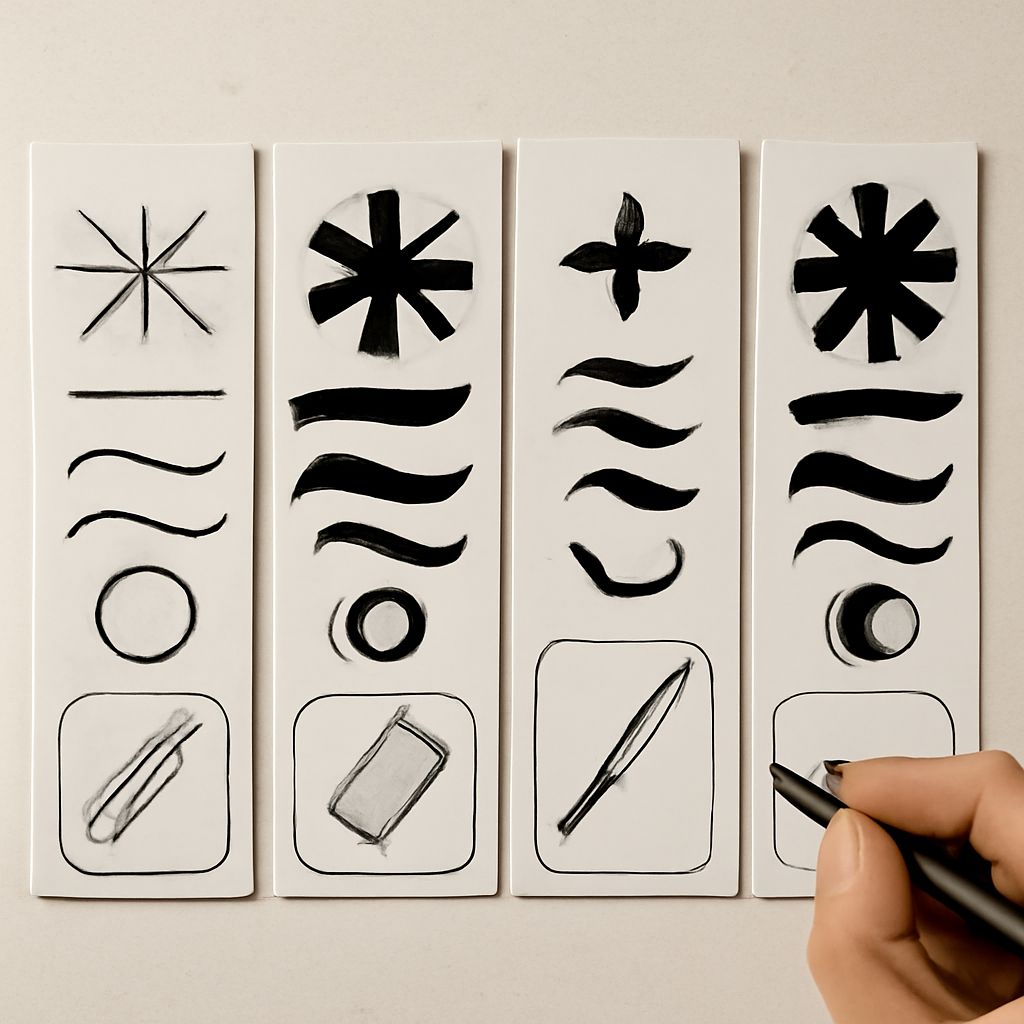
Pointed pen calligraphy creates thick-thin variation through pressure rather than through nib angle. Pressing down on a flexible pointed nib spreads the tines apart, releasing more ink and creating a thicker stroke. Releasing pressure closes the tines and produces a hairline. Copperplate, Spencerian, and modern calligraphy script styles all belong to this category of calligraphy types. The visual result is a fluid, organic quality that broad-edge calligraphy styles rarely achieve.
Calligraphy Scripts Across Historical Traditions
Calligraphy scripts have developed across multiple cultural and historical contexts, each producing distinct visual systems with their own aesthetic logic. Western calligraphy scripts developed from Roman inscriptions through medieval manuscript traditions, producing the Uncial, Carolingian, Gothic, and Renaissance scripts that form the foundation of most contemporary Western calligraphy practice.
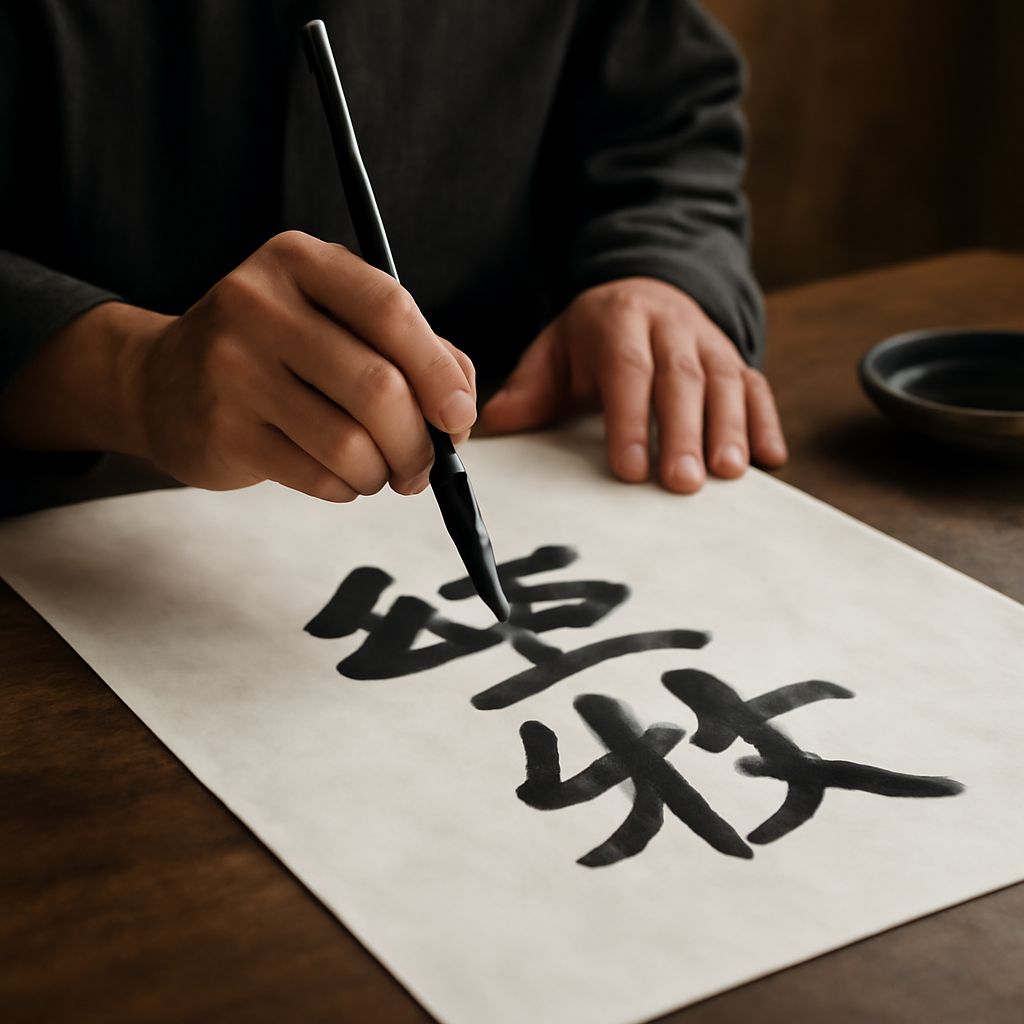
Eastern calligraphy traditions, including Chinese, Japanese, Arabic, and Hebrew calligraphy scripts, each developed independent tool systems, stroke conventions, and aesthetic values. Arabic calligraphy, for example, has multiple distinct scripts including Naskh, Thuluth, and Diwani, each with different applications and prestige levels within their original contexts. Understanding that calligraphy scripts exist across all these traditions prevents the common Western assumption that calligraphy means only pointed pen or broad-edge pen work.
Modern Calligraphy as a Distinct Calligraphy Style
Modern calligraphy represents a departure from historical calligraphy styles in its deliberate rejection of strict rules. Where traditional calligraphy types require specific letter proportions, tool angles, and stroke sequences, modern calligraphy prioritizes personal expression and aesthetic variation over adherence to historical models. This makes modern calligraphy style more accessible as an entry point but potentially less satisfying for artists who want to develop deep technical mastery within a specific tradition.
Modern calligraphy script work appears frequently in wedding stationery, social media content, product packaging, and branding applications where the hand-lettered quality communicates warmth and personal craft. Its accessibility and photogenic quality have driven enormous popularity across artistic communities in the last decade.
Choosing Your Calligraphy Style
The best calligraphy style for you depends on two factors: your aesthetic preference and your patience for technical learning curves. If you respond most strongly to the flowing organic quality of thick-thin contrast, pointed pen calligraphy styles, specifically Copperplate or Spencerian, will satisfy you most. If you prefer the geometric discipline and visible construction logic of broad-edge work, Italic or Blackletter calligraphy types will reward your investment of time and attention.
Start with a single calligraphy style and commit to it for at least three months before evaluating whether to continue or shift direction. The skills you build in any calligraphy style, observation, pressure control, consistency of angle and spacing, transfer across different calligraphy scripts and traditions. A month of Italic calligraphy makes you a better student of Copperplate, even though the tools and techniques are completely different.