Bird Anatomy Diagram: Avian Anatomy, Muscle Structure, and Bird Anatomy for Artists
Why does a good bird anatomy diagram transform how you draw birds, even when you’re working from photographic reference? A diagram reveals the underlying structural logic that photographs obscure with feathers and surface texture. When you understand the skeletal positions and muscle groups revealed in an avian anatomy study, you can draw birds in poses where you have no direct photographic reference and still produce convincing, structurally plausible results. This is the practical value of investing time in anatomical study before you focus exclusively on observational bird drawing.
This guide covers what a useful bird anatomy diagram shows, the key structures in avian anatomy that artists need to understand, how bird muscle anatomy shapes the surface forms you draw, and the specific anatomical knowledge that makes bird anatomy for artists a distinct and practical field of study.
What a Bird Anatomy Diagram Shows
Skeletal Structure and Proportions
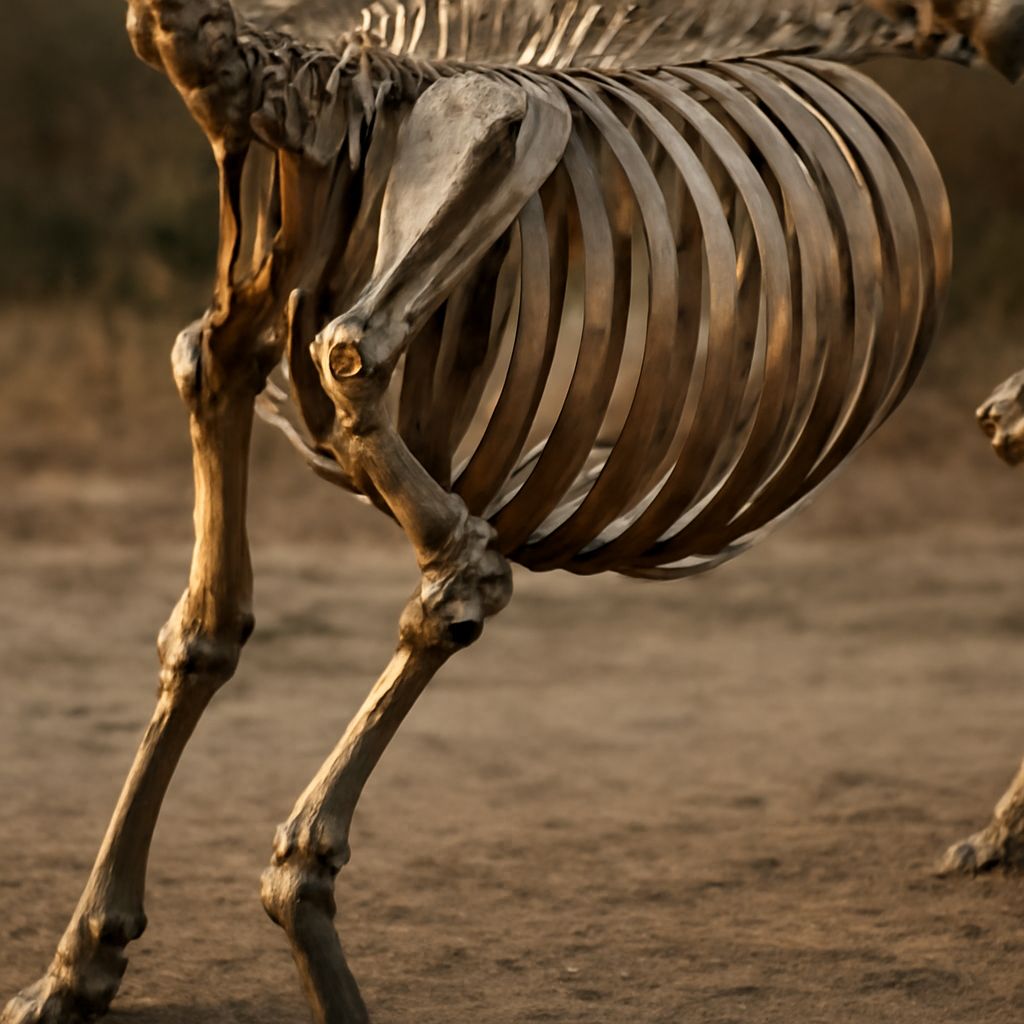
A bird anatomy diagram typically shows the skeletal system from multiple angles: lateral, dorsal, and ventral views at minimum. The key proportional relationships to study are the length of the humerus relative to the radius and ulna in the wing, the length of the sternum relative to the overall body, the size and position of the keel (the sternal crest that anchors flight muscles), and the ratio between the tarsometatarsus and the overall leg length. These relationships vary significantly between species and determine the characteristic silhouettes that distinguish a heron from a sparrow from a penguin.
For bird anatomy for artists specifically, the most immediately useful information in any bird anatomy diagram is how the skeleton positions inside the feathered body. Feathers are deceptive. They make birds appear much larger in some areas (the chest, the tail) and much smaller in others (the head relative to body) than their underlying skeleton would suggest. Understanding this discrepancy lets you draw birds that have correct internal structure even when covered in the volume of feathers that the subject actually shows.
Wing Anatomy in Detail
Wing anatomy is one of the most misunderstood areas in bird anatomy for artists. The avian wing is a highly modified forelimb, not a structure unique to birds. The humerus, radius, and ulna are all present and recognizable, though modified in proportion. The major flight feathers attach to the equivalent of the hand and finger bones. Understanding this limb homology lets you understand how the wing folds and unfolds: it’s a folding limb structure, not a membrane stretched between body and wing tip.
Bird Muscle Anatomy and Surface Form
Flight Muscles and the Keel
Bird muscle anatomy is dominated by the pectoralis muscles and the supracoracoideus, the primary muscles responsible for downstroke and upstroke of the wing respectively. In flying birds, these muscles can represent thirty percent or more of the total body mass. They attach to the keel of the sternum, which is why the keel is so dramatically developed in flying birds compared to non-flying species.
At the surface, bird muscle anatomy shapes the rounded, full chest of most flying birds and the flatter profile of non-flying species. When you draw a bird in profile, the chest bulge is primarily the pectoralis muscle expressing itself through the overlying feathers. Getting this volume right, including how it changes shape when the bird is at rest versus in flight posture, is one of the most important things bird anatomy for artists teaches you.
Leg and Foot Muscle Groups
Avian anatomy in the lower limb shows a characteristic feature: what appears to be the “knee” bending backward on a bird is actually the ankle joint. The true knee is located high on the body, tucked under the feathers of the lower body and invisible in most bird illustrations. This means the visible, backward-bending joint is the ankle, and the portion of the leg visible below it, which many artists draw as the lower leg, is actually the foot (the tarsometatarsus). Understanding this anatomical reality changes how you draw bird leg poses significantly.
Bird Brain Anatomy and Its Relevance for Artists
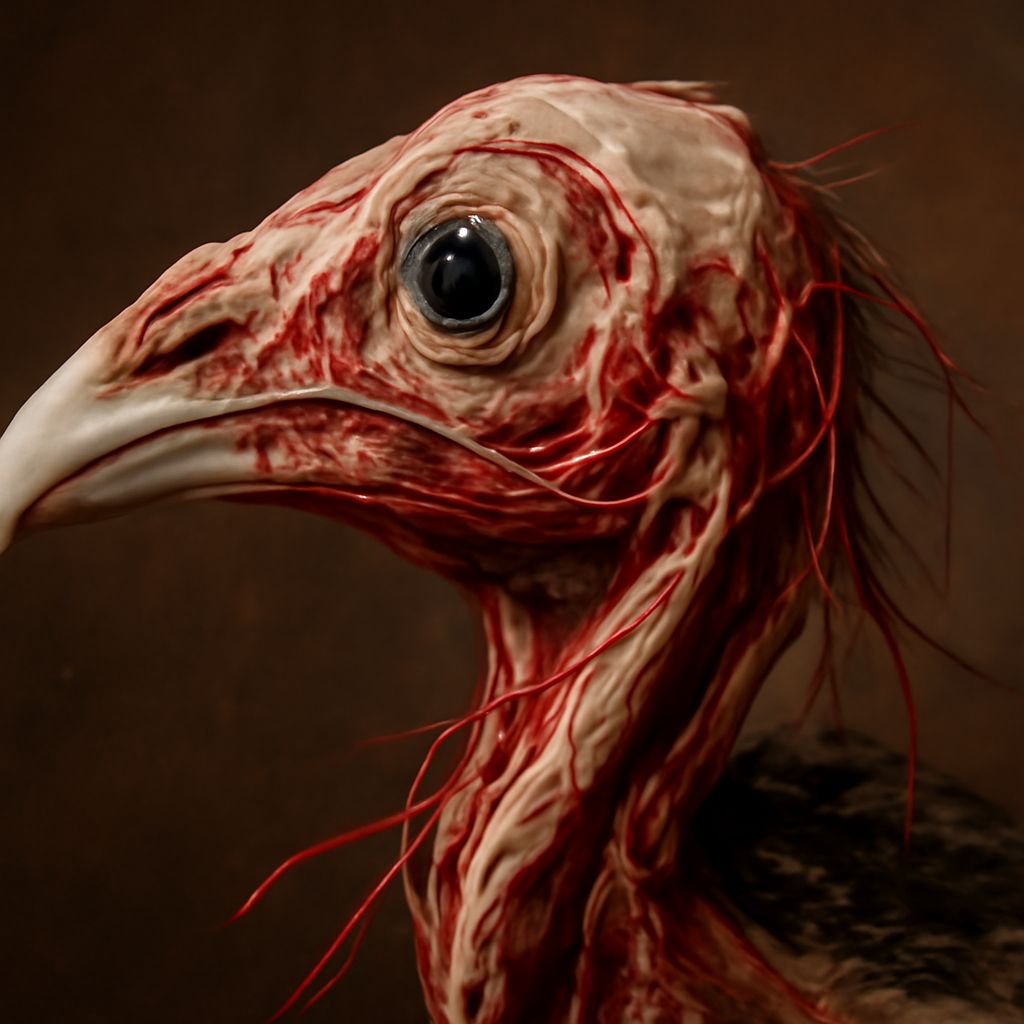
Bird brain anatomy is primarily relevant to artists working on cross-section or scientific illustration, or to artists who want to understand the characteristic head shapes of different bird groups. The large optic lobes in most bird brains correspond to the large eyes that dominate bird head proportions. The size and position of the brain case determines the overall shape of the skull, which shapes the feathered head you see in life or in reference photography.
In bird anatomy for artists, understanding that the brain sits in a relatively small, rounded case positioned well back on the skull explains why birds’ eyes appear so far forward in the head, why the forehead region is often much shallower than it appears in photographs, and why bird neck length appears to change so dramatically between extended and compressed postures.
Key takeaways: A bird anatomy diagram is the most efficient way to understand the structural logic underlying the feathered surface you observe. Avian anatomy and bird muscle anatomy together explain the proportional conventions and surface forms that photographs alone cannot reveal. Investing in bird anatomy for artists pays dividends across every bird species you draw because the structural principles transfer, even as the specific proportions vary.