Butterfly Illustration: Monarch Anatomy, Vintage Styles, and Natural History Art
What makes butterfly illustration one of the most rewarding subjects in natural history art? The combination of structural complexity and surface pattern gives illustrators the rare opportunity to work with both precise anatomical observation and decorative visual design simultaneously. Whether you’re studying monarch butterfly anatomy for biological accuracy, drawing inspiration from the rich tradition of vintage butterfly illustration, exploring vintage bird illustration techniques, or working through vintage bee illustration reference, the natural history illustration tradition offers both rigorous technical guidance and extraordinary aesthetic examples.
This guide covers the anatomical foundations that make butterfly illustration accurate, what the vintage butterfly illustration tradition teaches about observation and graphic restraint, how vintage bird illustration and vintage bee illustration share techniques with butterfly work, and practical approaches for creating natural history illustration that balances scientific accuracy with visual appeal.
Butterfly Illustration and Anatomical Foundation
Monarch Butterfly Anatomy as a Starting Point
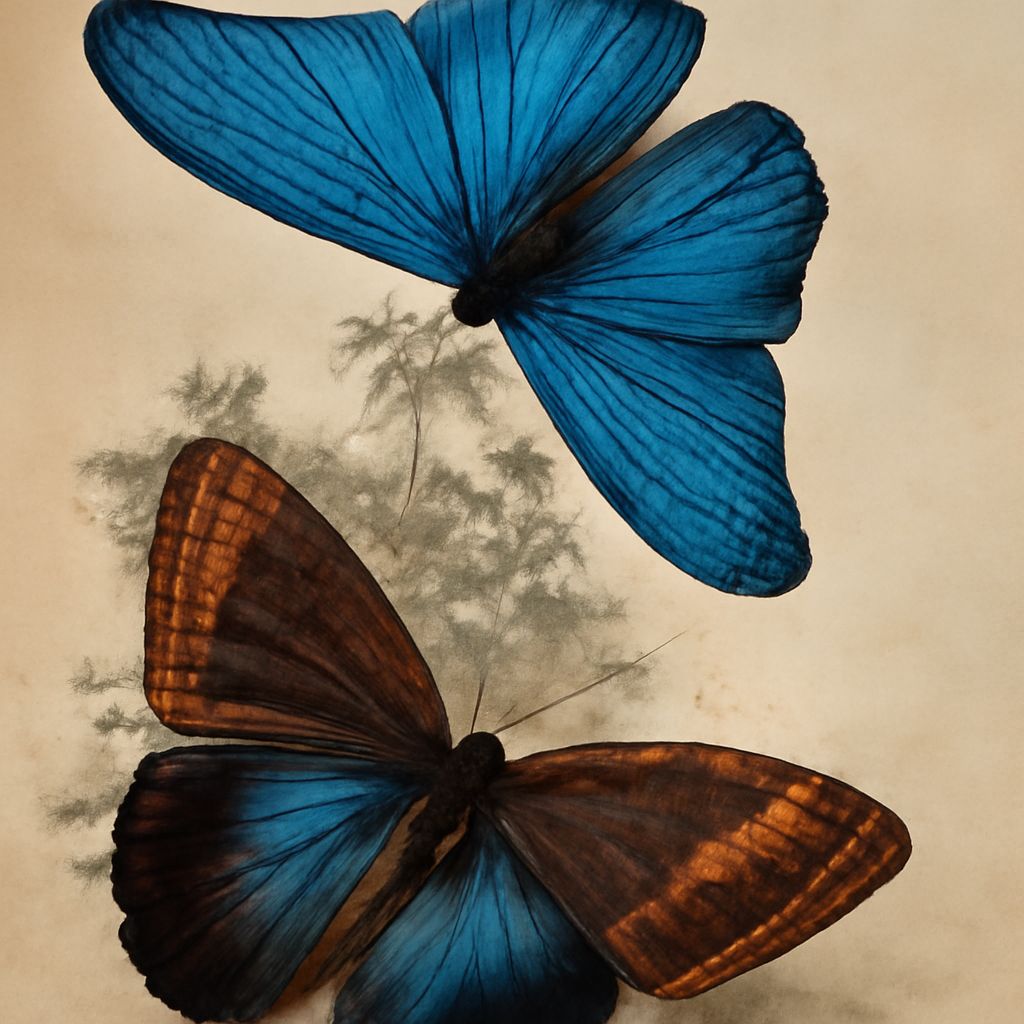
Monarch butterfly anatomy offers one of the most legible starting points for butterfly illustration because the monarch’s high contrast orange and black pattern makes the wing venation clearly visible. The wing structure of any butterfly consists of a forewing and hindwing on each side, four wings total, each supported by a network of veins that give the wing structural integrity while determining how the wing bends during flight. The veins radiate from the wing base and divide the wing surface into distinct cells, each of which can carry its own color or pattern element.
For butterfly illustration, understanding monarch butterfly anatomy means knowing how the wing cells relate to the body, how the wing folds against the body at rest, and how the wing expands and angles during flight postures. Each of these states shows different surface patterns and different proportional relationships between wing sections and body, requiring observation specific to each posture rather than relying on a single reference position.
Body Structure and Attachment
The butterfly body consists of three segments: head, thorax, and abdomen. The wings attach to the thorax, which is the most muscled segment. The legs also attach here. The head carries the compound eyes, antennae, and the curled proboscis. Each of these elements has a specific spatial relationship to the others that butterfly illustration must represent accurately to produce a credible image. The antennae of a monarch butterfly end in a distinctive club shape, different from the tapered antennae of moths, and this detail is one of the diagnostic features that appears in any careful butterfly illustration.
The Vintage Butterfly Illustration Tradition
Vintage butterfly illustration from the eighteenth and nineteenth centuries represents the highest level of natural history illustration as both scientific record and aesthetic achievement. Artists like Maria Sibylla Merian, whose work predates the formal scientific illustration tradition, produced butterfly illustrations that remain visually extraordinary after three centuries. The tradition she represents prioritized accurate observation, careful rendering of surface pattern, and the documentation of the butterfly in its ecological context including host plants and larval stages.
What makes vintage butterfly illustration still useful as a learning resource is its commitment to observational accuracy. Every wing marking must be placed correctly relative to the vein structure. Colors must be as close to the actual specimen as the medium allows. The butterfly must be positioned in a way that shows the maximum diagnostic information. These constraints produce illustration discipline that transfers to any subject requiring precise observational work.
Cross-Subject Learning: Vintage Bird and Bee Illustration
Vintage bird illustration and vintage bee illustration share the same observational and technical demands as butterfly work. Vintage bird illustration required artists to document plumage patterns with the same accuracy that butterfly illustrators applied to wing markings. The rendering techniques developed for feather detail, including crosshatching for texture, stippling for soft gradations, and careful tonal control for distinguishing iridescent surfaces from matte ones, transfer directly to butterfly wing work.
Vintage bee illustration offers a different but equally valuable set of technical lessons. Bees’ complex body textures, the dense hair covering of the thorax and abdomen, the transparent wing structure, and the structural complexity of the leg apparatus all require observational accuracy and rendering skill at different scales and surface types. Studying vintage bee illustration alongside butterfly work builds a more complete technical vocabulary for natural history illustration than focusing on any single subject type alone.
Creating Your Own Natural History Butterfly Illustration
The most productive approach to butterfly illustration combines direct specimen study or high-quality photographic reference with historical illustration examples from the vintage butterfly illustration tradition. Use your reference to understand what the butterfly actually looks like. Use historical examples to understand how skilled illustrators have communicated that appearance in your chosen medium.
Begin every butterfly illustration with a light pencil block-in that establishes the wing outline and body position before committing to any detail. The wing shape and body axis must be correct before wing venation or surface pattern can be placed accurately. Work from large shapes to small details in every phase: wings first, then venation structure, then color areas, then fine detail within color areas. This sequence prevents you from over-developing detail in one area before the overall composition and structure are resolved.