Drawing Mannequin Guide: Posable Manikins for Figure Drawing Practice
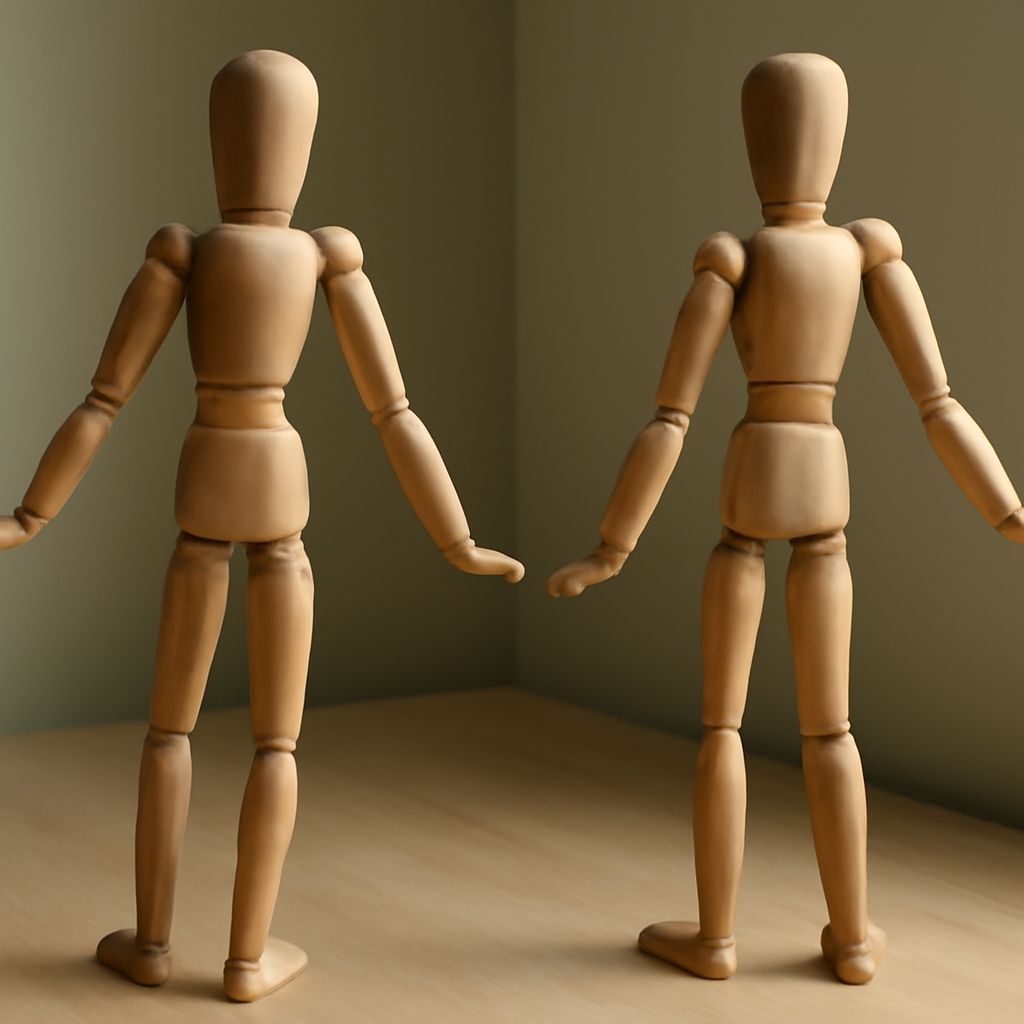
Why does a drawing mannequin help artists who already have good reference photographs available? The answer is control. A mannequin for drawing lets you set any pose you need and hold it indefinitely, adjust the lighting without the model moving, rotate the figure to any angle, and work at your own pace without time pressure. For artists working on complex action poses, foreshortening studies, or any pose where getting the structure right requires sustained examination, a posable drawing mannequin provides reference that photographs alone cannot reliably provide.
This guide covers how to choose a drawing mannequin for your practice, the differences between various drawing mannequins on the market, what drawing manikin means relative to mannequin, how to get the most out of a posable drawing mannequin in your workflow, and the specific limitations of mannequin-based reference that you need to account for when using these tools.
Choosing a Drawing Mannequin for Your Needs
Scale and Material
Drawing mannequins come in multiple scales and materials. The most common sizes are small desktop figures around 12 to 20 centimeters, and larger studio figures between 25 and 30 centimeters. Larger drawing mannequins hold poses more stably because the joint mechanisms have more surface area and the weight distribution is easier to balance. Smaller figures are convenient for travel sketchbooks and quick reference but can be frustrating when trying to hold complex or asymmetrical poses precisely.
Material matters for joint stability. High-quality drawing mannequins use brass or steel joint hardware inside wooden bodies. Cheaper versions use plastic mechanisms that loosen over time and fail to hold poses reliably. A mannequin for drawing that won’t stay in the pose you set is not a useful reference tool. The initial cost difference between a quality figure and a cheap plastic version is recovered in frustration avoided within the first month of use.
Joint Range and Pose Capability
A drawing mannequin is only as useful as the range of poses it can hold. Check that the figure’s shoulder joints allow the full range of arm positions you need, including arms raised above the head and extended to the sides. Hip joints should allow both standing and seated poses with the legs at various angles. The spine should provide at least moderate lateral bend and twist capability. Drawing mannequins with fixed waist joints are significantly less useful than those with a jointed torso section, because the torso twist and bend are among the most common figure drawing challenges.
Drawing Manikin vs. Drawing Mannequin: Is There a Difference?
Drawing manikin and drawing mannequin are used interchangeably in most artist tool catalogs and drawing instruction materials. Technically, “manikin” is an older spelling variant, and “mannequin” is the more common current form. Both terms refer to the same category of articulated figure reference tool. When you search for drawing manikin in art supply stores, you’ll find the same products listed under drawing mannequin and vice versa. The choice of spelling doesn’t indicate any meaningful difference in the tool itself.
Getting the Most from a Posable Drawing Mannequin
A posable drawing mannequin is a supplement to other reference types, not a replacement for them. Use it to establish the broad structural gesture of a pose that you then refine with photographic reference for surface anatomy detail, fabric behavior, and facial expression. The mannequin gives you the three-dimensional spatial understanding of the pose. Photographic reference gives you the organic surface variation that the simplified figure form cannot provide.
Set your posable drawing mannequin in good lighting from a consistent direction before using it as reference. The shadow patterns that directional lighting creates on the figure give you spatial information that flat, even lighting obscures. Rotate the figure slowly around the light source before settling on the viewing angle that best serves your drawing, rather than automatically drawing from the front.
Limitations of Drawing Mannequins
Drawing mannequins have specific limitations that affect how you should use them. The joint areas of most drawing mannequins are simplified to the point that they don’t accurately represent how human joints create surface forms. The shoulder area, particularly the deltoid to pectoral transition, is almost universally oversimplified. The hand and foot areas of most drawing mannequins are either absent or too simplified to use for those specific subjects.
These limitations mean you should not use drawing mannequins as your primary reference for figures where joint and extremity accuracy matters most. Use them for overall pose and proportion, but switch to anatomical references or photographic reference for joint areas and hands and feet. The most effective workflow treats the drawing mannequin as the first reference layer for any figure drawing, not the only one.