Bird Wing Anatomy Explained: Structure, Bones, and Function
What makes a bird capable of sustained flight while most other animals cannot even lift off the ground? The answer lies in bird wing anatomy, a highly specialized framework that balances lightness with structural strength. If you want to draw birds convincingly, photograph them in flight, or simply understand how they work, knowing wing anatomy is a solid starting point.
This guide breaks down wing anatomy from the shoulder to the wingtip. You’ll see how anatomy of a bird wing maps to bones you recognize from your own arm, why feather groups matter, and how wings anatomy varies across bird families. A short section at the end gives you practical next steps for applying this knowledge.
The Bones Inside a Bird Wing
The skeleton inside a bird wing is a modified version of the tetrapod forelimb. Working outward from the shoulder, you find the humerus, the radius and ulna, the carpals and metacarpals fused into a carpometacarpus, and then the digits. Most birds have three digits in the wing, though they are greatly reduced compared to reptilian ancestors.
The humerus attaches to the pectoral girdle at the glenoid socket. It is hollow in most flying birds, which reduces weight without sacrificing strength. The radius and ulna form the forearm section of wings anatomy and are the attachment points for the secondary flight feathers. Understanding anatomy of a wing at this level makes it much easier to predict how the limb folds and extends.
Feather Groups and Their Roles
Feathers are organized into distinct groups across the wing surface. The primary feathers attach to the carpometacarpus and digits and are responsible for forward thrust during the downstroke. The secondary feathers run along the ulna and generate most of the lift. Tertials connect the secondary group to the body and fill the gap when the wing is folded.
Coverts are smaller feathers that overlap the bases of the flight feathers in layers, creating a smooth aerodynamic surface. The alula, a small cluster of feathers on the leading edge, acts like a slat on an aircraft wing and prevents stalling at slow speeds.
Muscles That Power the Wing
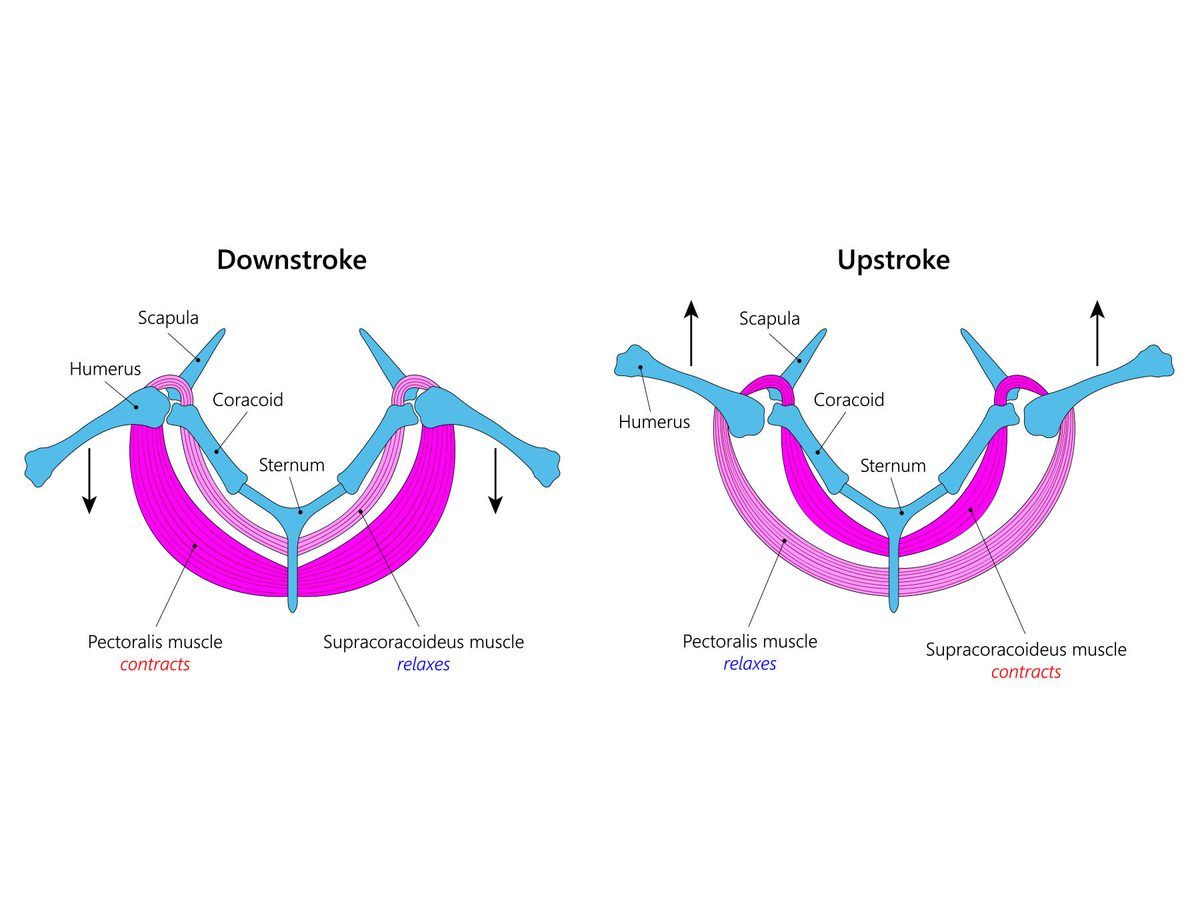
Two large muscles drive the wing through its flapping cycle. The pectoralis major, anchored to the keeled sternum, pulls the wing downward on the power stroke. The supracoracoideus, running through a pulley-like notch in the coracoid bone, lifts the wing on the recovery stroke. Together these muscles can account for thirty percent or more of a bird’s total body mass in strong fliers like pigeons.
Smaller muscles in the forearm and hand control feather spreading and the precise angle of the wingtip. They are central to maneuverability, allowing birds to twist individual primary feathers for fine-tuned control during landing and tight turns.
Anatomy of a Bird Wing Across Different Species
Wing shape in bird wing anatomy varies enormously depending on flight style. Long, narrow wings like those of albatrosses produce low drag for soaring over open water. Short, rounded wings like those of woodland sparrows allow rapid acceleration through cluttered environments. Broad wings with slotted tips like those of eagles and vultures give excellent soaring lift with low stall speeds.
Hummingbirds are an interesting case. Their shoulder joint rotates nearly 180 degrees, allowing the wing to generate lift on both the downstroke and the upstroke. The anatomy of a wing in hummingbirds is proportionally very different from most birds, with an extremely long carpometacarpus and very short upper arm bones.
Comparing Wings Anatomy to Human Arm Bones
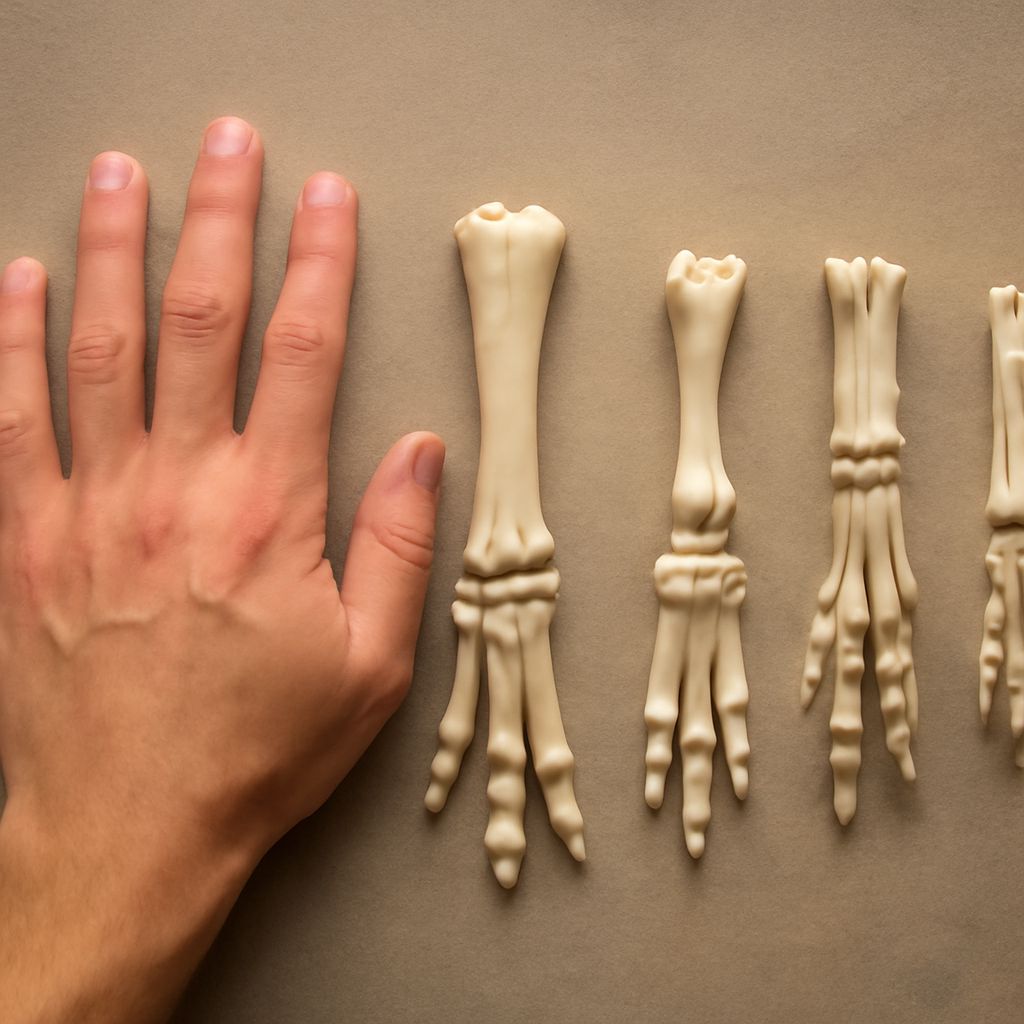
Laying wings anatomy alongside human anatomy shows the evolutionary connection clearly. Your humerus, radius, and ulna correspond directly to the same bones in a bird wing. The major difference starts at the wrist. In humans the carpals are separate and mobile; in birds they are partially fused and the metacarpals are fused into the carpometacarpus. The digits are reduced from five to three and are mostly immobile, serving mainly as anchors for primary feathers.
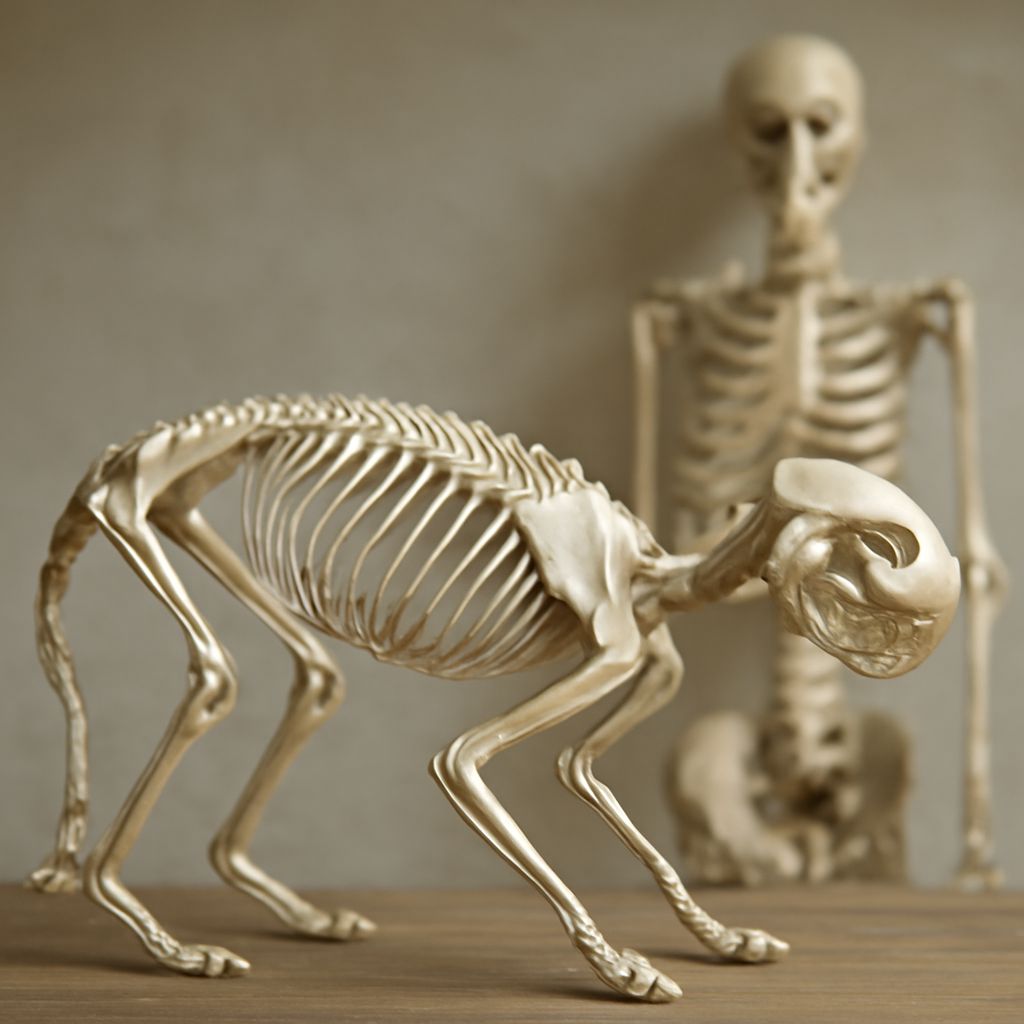
This homologous structure is a useful teaching tool. Once students grasp that a bird wing is a modified hand and arm, the arrangement of feathers relative to the bones becomes intuitive rather than arbitrary.
Practical Application for Artists and Observers
If you want to draw birds accurately, study the fold points. A folded wing bends at the wrist and at the elbow. The primaries tuck under the secondaries and the whole wing folds close to the body. Getting those fold lines right is the difference between a bird that looks alive and one that looks stiff.
For birdwatchers, understanding bird wing anatomy helps with identification. Wing shape, the projection of primary tips beyond the tertials, and the number of visible primary tips are all reliable field marks. Next steps: find a high-quality reference showing labeled feather groups, compare it to live observations or photographs, and sketch the bone structure a few times until the spatial relationships feel natural.