Vintage Illustrations Guide: Victorian, Book, and Vegetable Art Styles
Why do vintage illustrations hold such lasting appeal in modern design? There’s something about the hand-engraved line work, the muted pigment palettes, and the careful observation of detail in a vintage illustration that digital tools still struggle to replicate convincingly. Whether you’re drawn to the formal elegance of Victorian illustration, the narrative charm of vintage book illustrations, or the precise botanic quality of vintage vegetable illustrations, each category has its own visual logic worth understanding.
This guide walks through what defines each category of vintage illustrations, how they were made, and how you can draw on these traditions in your own work or design projects.
What Defines Vintage Illustrations
Line Work and Engraving Origins
The technical foundation of most vintage illustrations is the engraved line. Before photographic reproduction, illustrations were carved into wood or metal plates and printed using those plates. The result was line work with a very specific quality: consistent pressure, parallel hatching for tone, and a precision that came from the physical resistance of the carving process.
That engraved quality is what most people recognize when they describe the look of a vintage illustration. Even when modern illustrators try to mimic it digitally, the slight irregularity of the original hand-engraved line is hard to reproduce. Original vintage illustrations carry that irregularity naturally because it was an unavoidable product of the medium.
Color and Printing Constraints
Color in historic vintage illustrations was limited by printing technology. Early color printing used hand-applied watercolor washes over black line work, or later, chromolithography with a restricted number of ink colors. This constraint produced the characteristic muted, slightly desaturated palette that defines vintage illustrations to modern eyes. The colors look worn not because they’ve faded but because they were never saturated to begin with.
Victorian Illustration and Its Characteristics
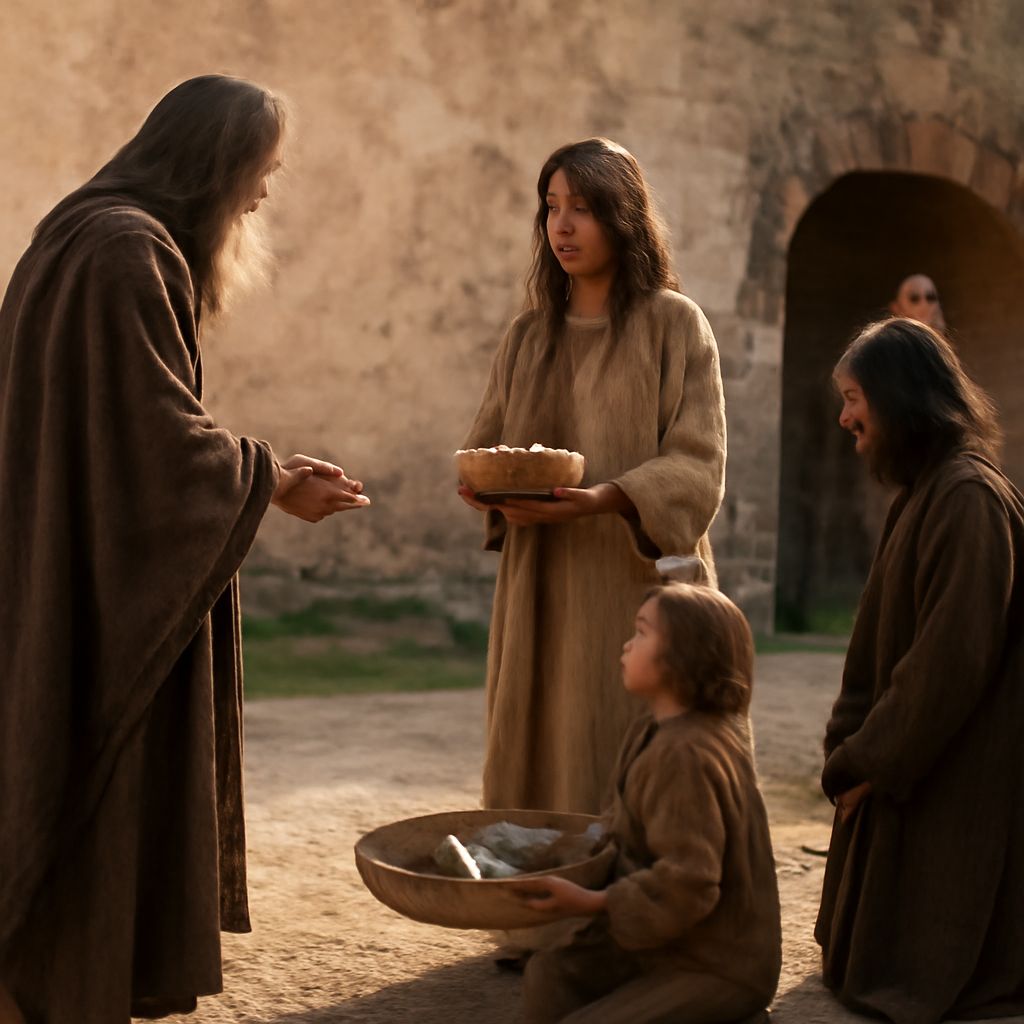
Victorian illustration covers a broad period from roughly 1837 to 1901 but has a recognizable aesthetic regardless of the exact decade. The defining qualities of Victorian illustration are density of detail, narrative complexity within a single image, and a confident use of black line work to anchor compositions that might include multiple figures, architectural elements, and landscape.
The leading Victorian illustration practitioners worked for magazines and books, producing work on tight deadlines with very high technical standards. The result was a body of Victorian illustration that combined artistic ambition with craft reliability. Illustrators like Gustave Dore produced enormously complex engravings that remain visually compelling today because the underlying draughtsmanship is exceptional.
Vintage Book Illustrations and Narrative Art
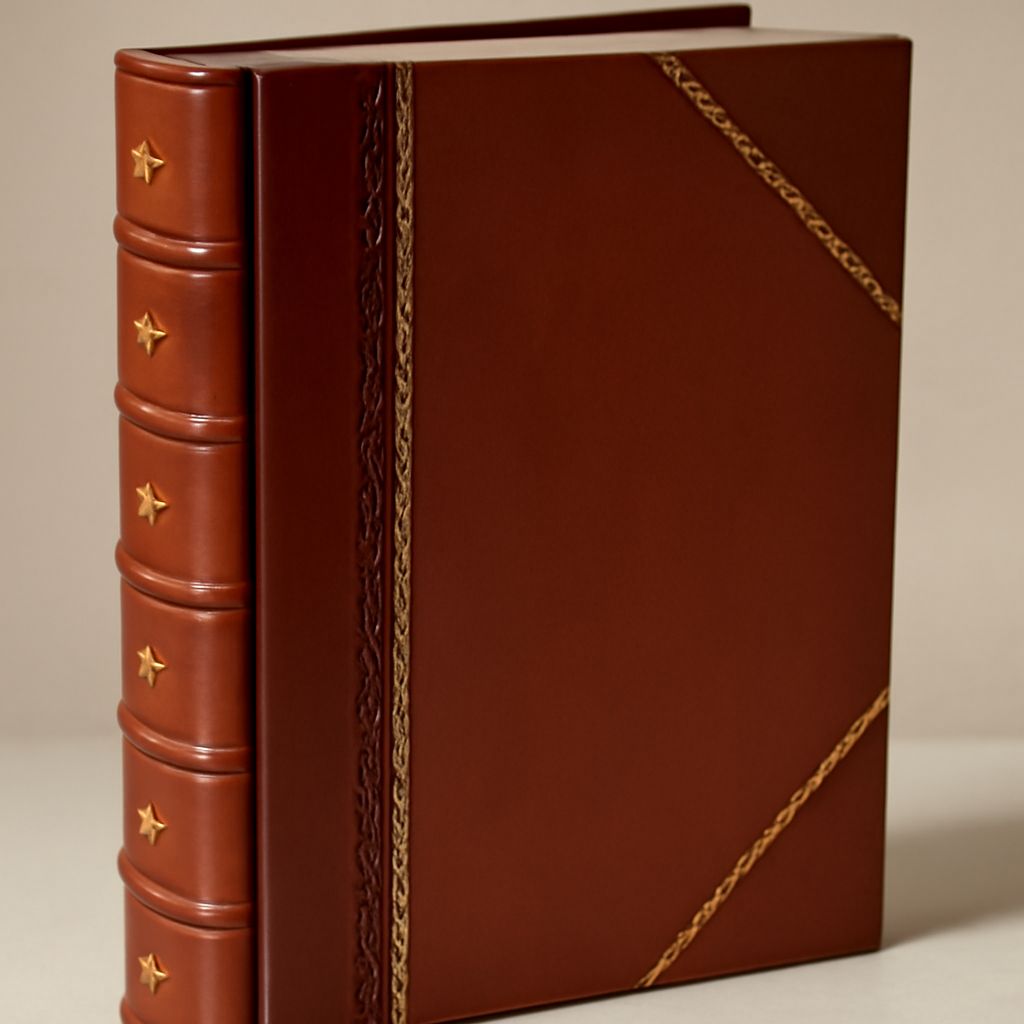
Vintage book illustrations from the late nineteenth and early twentieth centuries show a different quality from magazine engraving. Book illustration allowed more space for individual artistic voice. The work of Arthur Rackham, Edmund Dulac, and Kay Nielsen in this period demonstrates vintage book illustrations at their most expressive: watercolor washes over ink line work, decorative borders, and a deliberate integration of text and image in the page design.
The characteristic look of vintage book illustrations from this era comes from the combination of detailed line work with soft color. The line sets the structure; the color adds atmosphere without overwhelming the drawn quality of the image. This balance is one of the things contemporary illustrators try hardest to learn from when studying vintage book illustrations.
Vintage Vegetable Illustrations and Botanical Art
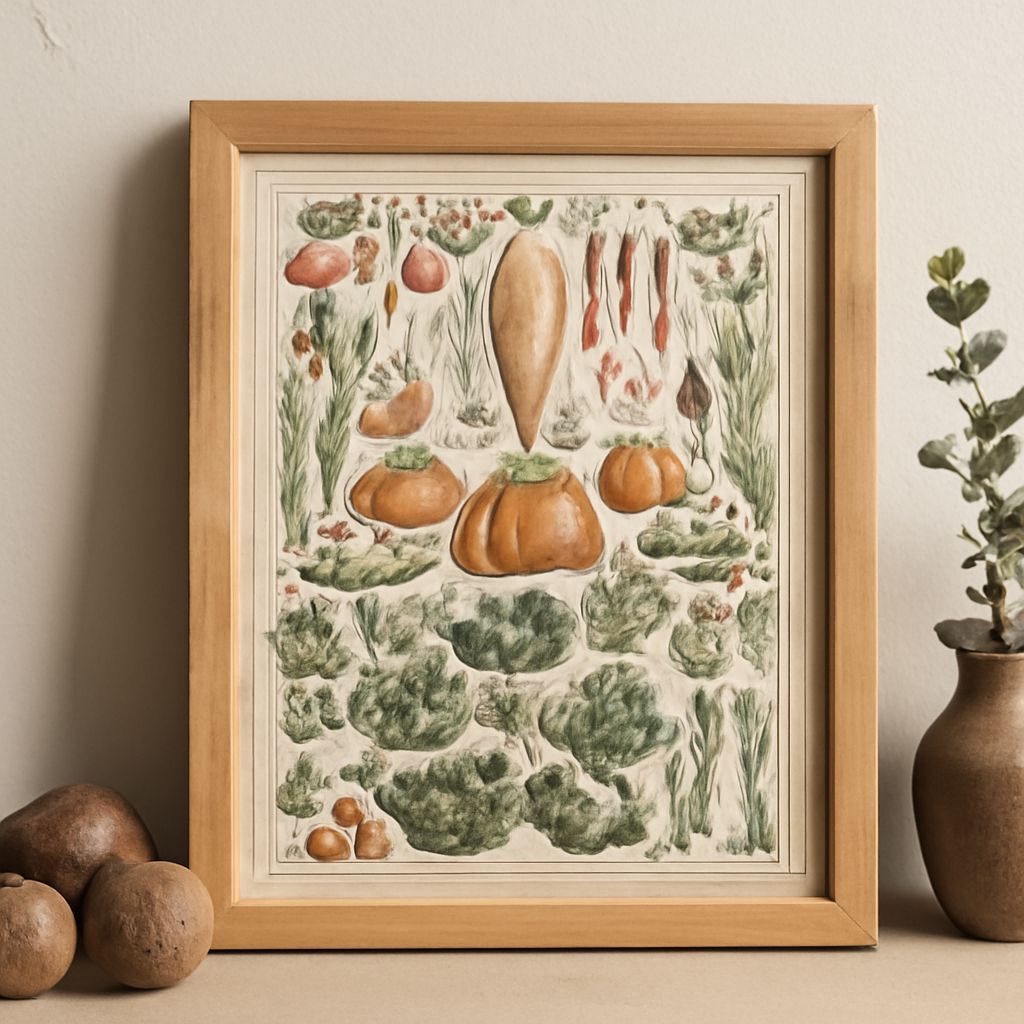
Vintage vegetable illustrations represent the intersection of scientific documentation and artistic craft. Botanical illustration required extreme accuracy because the images were used as species records. Every visible feature, the leaf venation, the cross-section of the fruit, the root structure, had to be represented with enough precision to allow identification.
The result is a category of vintage vegetable illustrations that is both highly decorative and deeply informative. The color in botanical plates was applied by hand over printed outlines, which is why individual prints from the same edition can look slightly different. That hand-applied quality gives vintage vegetable illustrations a warmth that printed-color reproductions rarely match. Key takeaways: vintage illustrations draw their appeal from engraved line work, constrained color palettes, and the careful observation that pre-photographic documentation demanded; understanding those origins helps you apply their principles intentionally rather than superficially.