Funniest Cartoon Characters of All Time: A Complete Fan Guide
Who are the funniest cartoon characters ever created, and what makes them land so consistently across decades of animation? From slapstick timing to sharp wit, the most enduring animated comedians share a few key traits: surprising reactions, memorable catchphrases, and a willingness to fail spectacularly for the audience’s entertainment. Funny Halloween cartoons have added seasonal charm to the roster — giving beloved characters costumes, haunted houses, and ghost-chasing misadventures that fans revisit year after year.
This guide covers the characters that define animated comedy, explores why certain funny cartoon names stick in the cultural memory long after the shows end, and looks at the visual appeal behind cartoon characters names and pictures collections that keep fans engaged online. You’ll also find a section on the funniest adult cartoons that pushed boundaries and changed what animation could do for grown-up audiences.
What Makes a Cartoon Character Genuinely Funny
Timing, Reaction, and Exaggeration
Comedy in animation relies heavily on timing — the exact frame at which a character’s eyes bug out or a piano falls from the sky. The funniest cartoon characters are designed with exaggerated proportions that make physical comedy readable at a glance. Bugs Bunny’s smirk, Tom’s flattened face, SpongeBob’s wide-eyed panic — these reactions are funny because they’re drawn to be unmistakable.
Reaction timing in animation is measured in frames. A delayed reaction of just 8 to 12 frames — a third of a second — turns a moment from ordinary to hilarious. Animators call this the “take,” and mastering it separates a competent animated character from a truly funny one.
Memorable Names and Visual Identity
There’s a reason people collect cartoon characters names and pictures — the visual design reinforces the name’s personality. “Daffy Duck” sounds chaotic. “Goofy” promises exactly what it delivers. Funny cartoon names work because they set up an expectation the character then fulfills or subverts. Names like “Stimpy,” “Beavis,” or “Squidward” carry immediate comedic weight before a single line of dialogue is spoken.
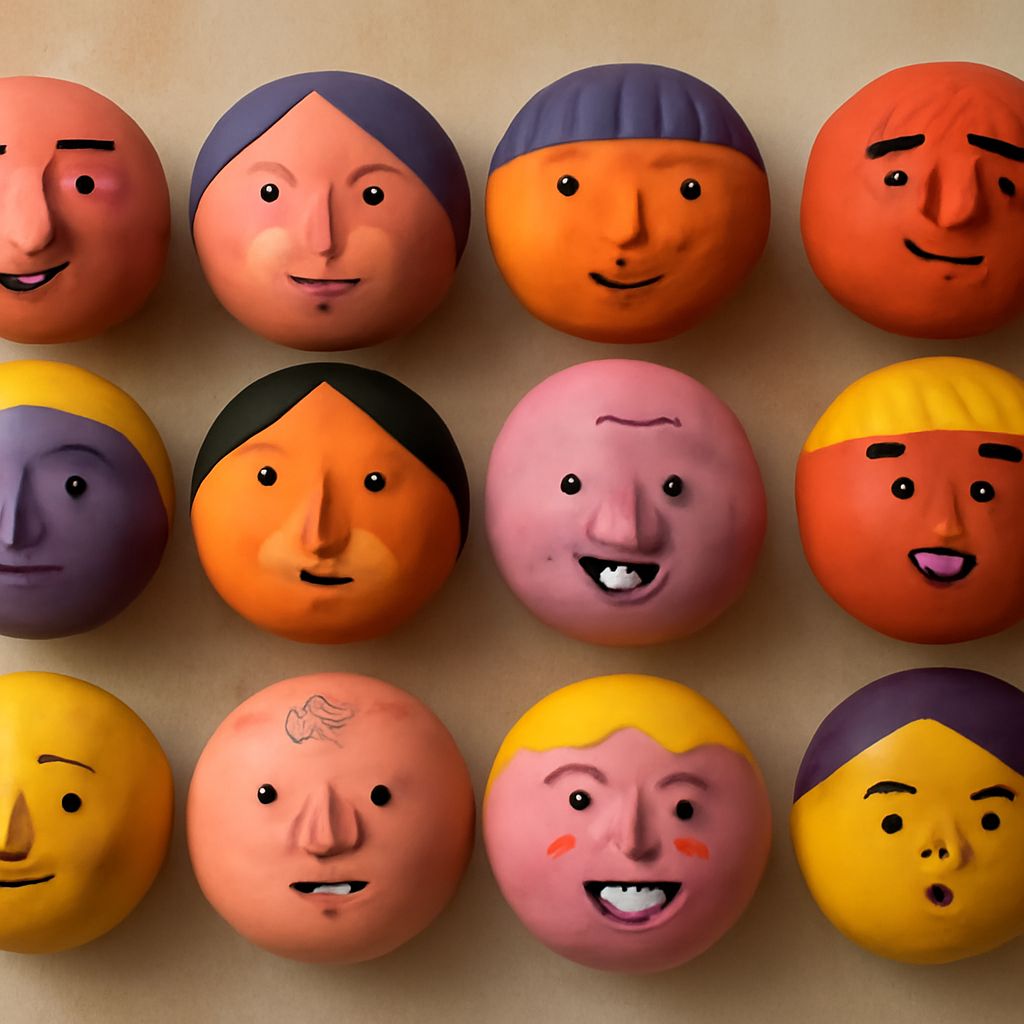
Color choices, silhouette, and facial structure all contribute to a character’s comic identity. Characters designed with asymmetrical features or oversized heads relative to their bodies read as inherently funnier than realistically proportioned figures. This is why so many animated comedians look nothing like real humans or animals.
Classic Funny Cartoon Characters Worth Revisiting
The Golden Age Icons
The Looney Tunes roster remains the gold standard for animated comedy. Bugs Bunny, Daffy Duck, Elmer Fudd, and Porky Pig established character archetypes that every subsequent animated comedy has riffed on. These characters worked because they had consistent personalities with clear comic logic — Daffy’s jealousy, Elmer’s haplessness — that writers could exploit in endless situations.
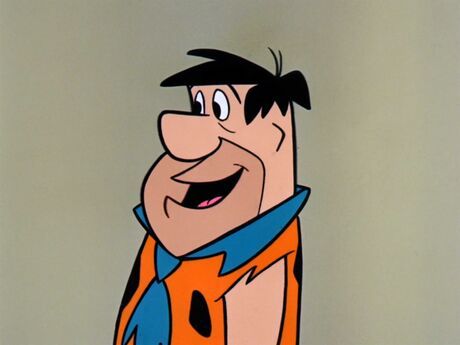
Hanna-Barbera added the funniest cartoon characters of the television era: Yogi Bear’s con-artist charm, Scooby-Doo’s cowardly appetite, and Fred Flintstone’s blustering confidence. These characters entered households five days a week through TV syndication, building familiarity that made their comedic patterns deeply satisfying to audiences over time.
Modern Animated Comedy Stars
SpongeBob SquarePants may be the most studied comedic animated character of the past 30 years. His comedy operates on multiple levels simultaneously — physical gags, absurdist logic, and emotional earnestness that becomes funny precisely because it’s so sincere in ridiculous situations. Patrick Star works as a perfect foil: pure stupidity that SpongeBob somehow always follows into disaster.
Regular Show’s Mordecai and Rigby brought slacker comedy to Cartoon Network in a way that resonated with older teens and adults — two irresponsible friends whose small mistakes consistently spiral into supernatural catastrophes. The comedy of escalation became their signature.
Funny Halloween Cartoons and Seasonal Specials
Some of the most beloved animated moments come from funny Halloween cartoons that pair familiar characters with spooky settings. The Simpsons’ Treehouse of Horror episodes have run every October since 1990, using horror film parody as the framework for some of the show’s sharpest comedy. The format works because it lets writers break the show’s normal rules — characters can die, reality warps, and anything goes.
Charlie Brown’s “It’s the Great Pumpkin” takes the opposite approach: gentle, melancholy, and funny in a sad-kid-waiting-alone-in-a-pumpkin-patch way. The comedy comes from earnestness and disappointment rather than gags. Both approaches show how varied funny seasonal animation can be when it leans into character instead of formula.
The Funniest Adult Cartoons and Why They Matter
The funniest adult cartoons expanded what animation could accomplish artistically and commercially. The Simpsons proved in 1989 that animated comedy could be genuinely sharp, politically aware, and culturally resonant for adults. South Park pushed further — crude, often offensive, and frequently pointed at current events with a speed no live-action show could match. Family Guy developed a cut-away gag structure that divided audiences but built a massive following.
More recently, shows like BoJack Horseman demonstrated that funniest adult cartoons could also be genuinely heartbreaking — using the absurdist distance of animation to approach addiction, depression, and failure with more honesty than most prestige drama. Rick and Morty blends hard science fiction concepts with nihilistic comedy in a way that has generated serious academic discussion alongside its meme ecosystem.
What unites the best adult animated comedies is that the humor earns its edge. Shock for its own sake fades quickly. The shows that last give characters real emotional stakes — and then find ways to make those stakes funny, too.