Spot Illustration: History, Styles, and How to Use Them
What exactly is a spot illustration, and why do editors, art directors, and designers keep reaching for them across so many different projects? A spot illustration is a small, standalone image — typically without a background — that punctuates text without dominating a layout. Unlike a full-page spread or a complex scene, spot illustrations are economical: they add visual interest precisely where it’s needed without demanding the reader’s full attention away from the content. From the detailed engravings of Gustave Doré to the precise natural history prints of audubon illustrations, the tradition of creating small, purpose-built images for publication is centuries old.
This guide explores the history and major styles of the format, examines how animated illustrations have expanded what spot art can do in digital contexts, looks at the influence of dore illustrations on detailed rendering traditions, and gives you practical guidance for commissioning or creating your own spot illustration work.
The History and Tradition of Spot Illustration
From Woodblock to Editorial
The spot illustration tradition goes back to medieval manuscript illumination — small decorated initials and marginal drawings that broke up dense columns of text. The invention of woodblock printing made small embedded images economically viable for book publishers, and by the 18th century, detailed vignettes appeared routinely in novels, scientific texts, and magazines. These early spots were often unsigned and treated as incidental rather than artistic contributions.
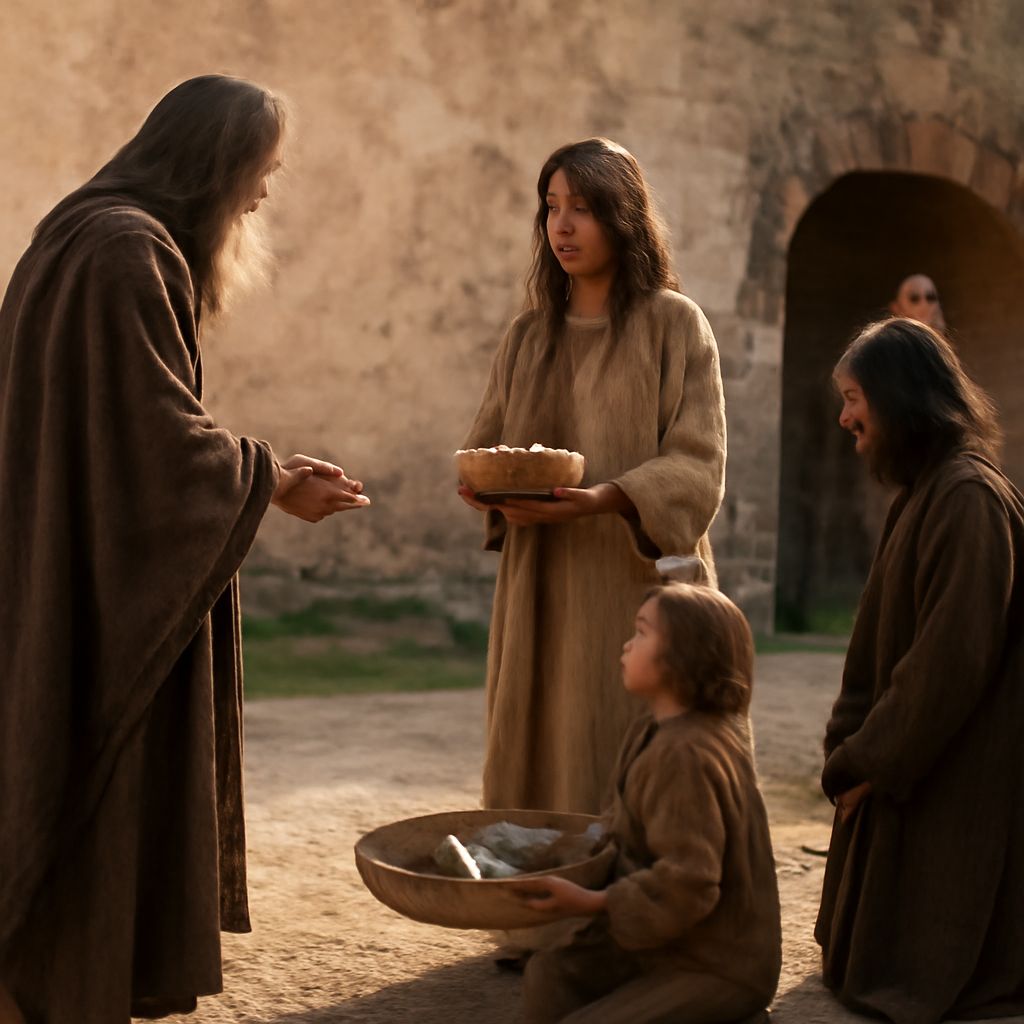
The 19th century elevated the format. Gustave Doré’s work for illustrated editions of literary classics — Dante’s Inferno, Don Quixote, the Bible — demonstrated that even relatively small illustrations within a page layout could carry enormous expressive power. The dore illustrations tradition of dense cross-hatching, dramatic lighting, and biblical scale influenced editorial illustrators for generations. Artists who studied Doré learned that weight, shadow, and precise line work could make a small image feel monumental.
Audubon and Scientific Illustration
The natural history tradition, exemplified most famously by John James Audubon’s bird plates, developed a parallel approach to spot-scale illustration. Audubon illustrations were technically full-page compositions, but their influence on natural history spot art is pervasive: precise observation, clean backgrounds that let the subject read clearly, and a combination of scientific accuracy with aesthetic beauty. Modern natural history spot illustrations — for field guides, textbooks, and editorial use — still draw on the audubon illustrations philosophy of showing the subject clearly against minimal visual noise.
Styles and Applications of Spot Illustrations
Editorial and Magazine Spot Art
In contemporary editorial design, spot illustrations appear most often as article openers, pull-quote accompaniments, or section dividers in magazines and newspapers. The style varies enormously by publication: whimsical and playful for food and lifestyle titles, geometric and precise for finance and technology, loose and expressive for arts and culture. The common thread is economy — the image must work at small size, without fine detail getting lost, and must communicate quickly to a reader scanning the page.
Most editorial spots are created as vector illustrations (Illustrator) or clean digital line work that scales without degradation. The absence of a background is a practical as much as an aesthetic choice: it lets the art director place the image anywhere on the page without creating a rectangle of conflicting color.
Animated Illustrations in Digital Contexts
Animated illustrations have become a significant category of spot art in the digital era. A simple loop — a rotating object, a character blinking, a subtle weather effect — adds life to an otherwise static web page or app interface without the bandwidth cost of video. Animated illustrations work especially well for onboarding screens, empty state graphics, and notification icons where a moment of visual delight improves user experience.
Creating animated spot art requires the same underlying illustration skills as static work, plus an understanding of how motion timing and easing affect perceived quality. A well-animated spot illustration moves with weight and purpose; poorly timed animation feels arbitrary and distracting.
Commissioning and Creating Spot Illustrations
Briefing an Illustrator
When briefing an illustrator for spot work, specificity matters. Describe the subject, the final size and format (print or digital), the color palette constraints, and whether a background is required. Provide examples of styles you like and reference any existing spots in your publication or brand system. Good spot artists work fast when the brief is clear and slow when it isn’t — investing ten minutes in a precise brief saves hours of revisions.
Technical Considerations
For print use, spots should be delivered at minimum 300 DPI at final size, in CMYK color mode. For digital use, SVG format preserves vector quality at any display size and allows easy color adjustments via CSS. When working in a brand system, establish a consistent visual language for spots — line weight, color palette, level of detail — so that new spots created over time look like they belong to the same family.
Key Takeaways
Spot illustrations earn their place in editorial and brand design by adding visual interest precisely where it’s needed without overwhelming the layout. Whether you draw from the dense rendering tradition of Doré, the observational clarity of Audubon, or the motion possibilities of animated digital illustration, the underlying principle is the same: small, purposeful images that work hard in confined spaces.