Watercolor Sunset: Techniques, Framing, and Cactus Painting Ideas
What makes a watercolor sunset one of the most satisfying subjects in the entire medium? The combination of warm-to-cool color gradients, soft blended edges, and the forgiving nature of working wet-into-wet aligns perfectly with watercolor’s natural tendencies. A well-executed sunset watercolor painting can be completed in under an hour and still look genuinely accomplished — the medium’s luminosity makes sunset color ranges particularly vivid. Whether you want to know how to frame a watercolor painting once it’s complete, explore watercolor sunsets with different geographic moods, or try a cactus watercolor painting that adds foreground drama to an evening sky, this guide has you covered.
From first wet wash to final mat and frame, every stage of a sunset watercolor project has specific techniques that make the difference between a muddy result and a glowing one.
Painting a Watercolor Sunset Step by Step
Setting Up Your Wet-on-Wet Sky
The sky in a watercolor sunset requires wet-on-wet technique for soft, glowing color transitions. Pre-wet the entire sky area with clean water before applying any color — the paper should shine but not puddle. Working quickly from the top of the painting downward, drop in your colors in sequence: ultramarine or prussian blue at the very top, transitioning to purple or magenta in the mid-sky, then cadmium yellow or quinacridone gold near the horizon. The colors will blend themselves in the wet paper, creating the characteristic soft gradients of natural sunset light.
The key to a luminous watercolor sunset is staying within your wet window. Once the paper starts to dry, adding more paint creates hard edges rather than soft blends. If you miss the window, let the layer dry completely before adding a second pass — trying to work wet into a surface that’s 70% dry produces the worst results: rough edges and the dreaded “bloom” effect where pigment pushes outward from your brush into a hard ring.
Creating Color Depth in Sunset Watercolor Painting
The richest sunset watercolor painting results come from layering. After the initial wet-on-wet sky layer dries completely, add a second, more concentrated pass near the horizon to deepen the warmth there. The sun position — even if the sun itself is below the horizon — can be suggested by a lighter zone where the warm colors are most saturated and the surrounding area glows with reflected color.
Avoid mixing your sunset colors to neutrality. Keep your yellows, oranges, and pinks from fully mixing with your blues and purples on the paper — where they overlap, let them create natural optical mixing rather than muddy physical mixing. Clean water between color applications prevents contamination that dullens the palette.
Watercolor Sunsets with Landscape Elements
Adding Geographic Context
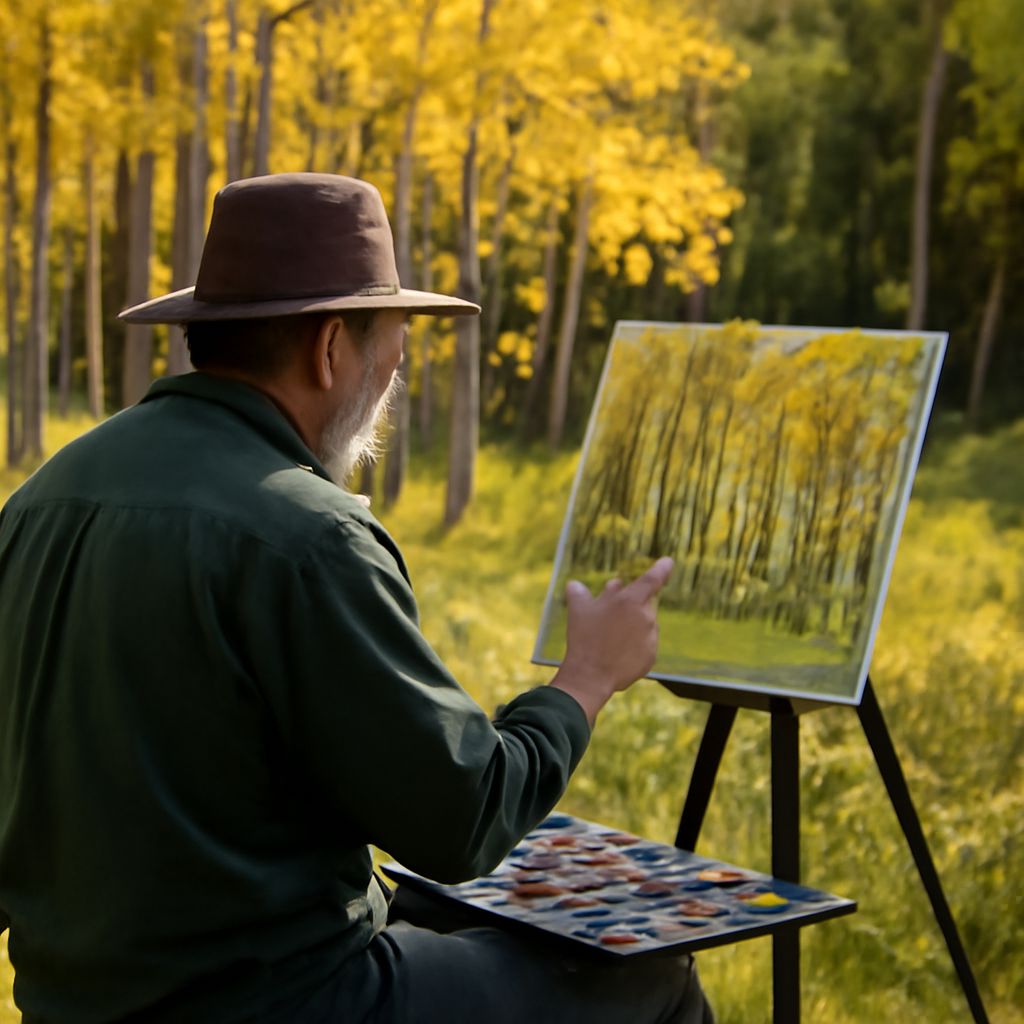
The most compelling watercolor sunsets aren’t just sky — they include geographic elements that give the viewer a sense of place. Desert watercolor sunsets gain enormously from silhouetted rock formations or mesas in the middle ground. Coastal sunsets use simple horizontal water reflections. Forest sunsets use the dark vertical forms of tree trunks against the glowing sky. Each geographic context requires the same sky technique but adds different foreground and midground elements.
Cactus Watercolor Painting for Desert Sunset Scenes
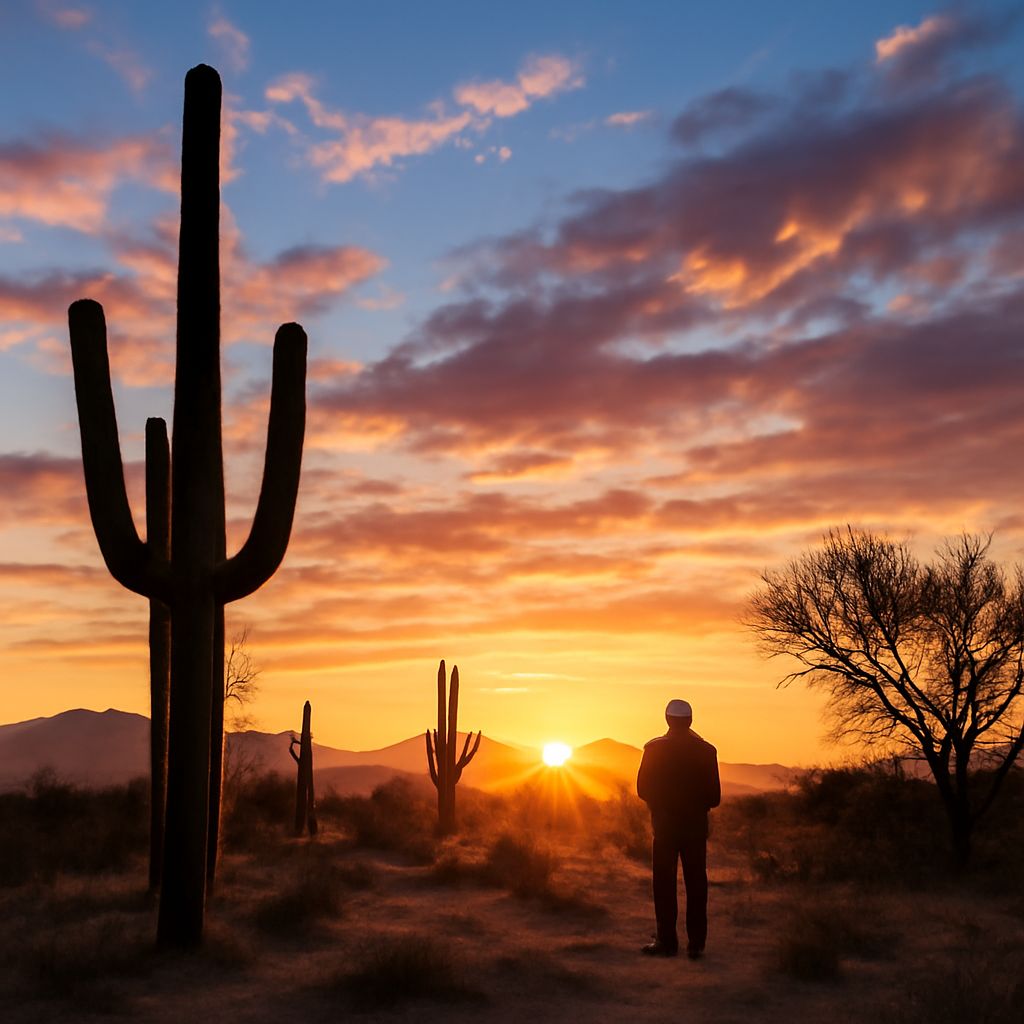
A cactus watercolor painting paired with a sunset sky is among the most evocative desert landscape compositions available to the watercolor artist. The key to a successful cactus watercolor painting is timing: paint the sky first and let it dry completely, then add the cactus silhouettes as dark, flat shapes against the glowing background. This approach — light to dark, background to foreground — keeps colors clean and creates the strong value contrast that makes the composition read powerfully.
Saguaro cacti offer the most dramatic silhouettes with their distinctive upward-reaching arms. Paint them as simple shapes first, then add subtle internal value changes that suggest the cactus’s ribbed surface without competing with the bright sky behind them. Keep cactus colors warm-dark (burnt sienna mixed with ultramarine or neutral tint) rather than cool black, which would look unnatural against a warm sky.
How to Frame a Watercolor Painting
Once your watercolor sunset is complete and fully dry, presentation matters significantly. Knowing how to frame a watercolor painting starts with matting: a mat creates physical separation between the paper’s edge and the frame’s inner edge, protecting the painting from glass contact and giving the composition visual breathing room. Standard mat board in off-white or cream works for most sunset paintings without competing with the warm palette.
Understanding how to frame a watercolor painting also means choosing glass correctly. UV-filtering glass or acrylic glazing protects the pigments from light fading — particularly important for transparent dyes like quinacridone and phthalo colors that fade faster than earth pigments under prolonged UV exposure. Never press the glass directly against the watercolor paper; the space created by matting is critical for preventing moisture-related problems and physical paper sticking.