Hydrangea Drawing: Techniques for Botanical Plants and Character Studies
Why is a hydrangea drawing such a satisfying challenge compared to most other flowers? The hydrangea’s structure is genuinely complex — dozens of small florets arranged in rounded clusters create a form that looks deceptively simple from a distance but rewards careful observation up close. Unlike drawing a single rose or tulip, where you’re rendering one primary form, drawing of plants like the hydrangea requires understanding how individual small elements build into a larger cluster without the whole looking like a blob. This guide covers the step-by-step approach to a hydrangea drawing, explores how drawing character subjects like an olaf drawing develops different observational skills than botanical work, examines how a pear drawing bridges simple form study and complex surface rendering, and gives practical guidance on drawing plants in general.
Whether your interest is botanical illustration, general observational drawing, or mixing character and nature subjects in a sketchbook practice, this guide connects the skills across these different drawing types.
Step-by-Step Hydrangea Drawing
Starting with the Overall Mass
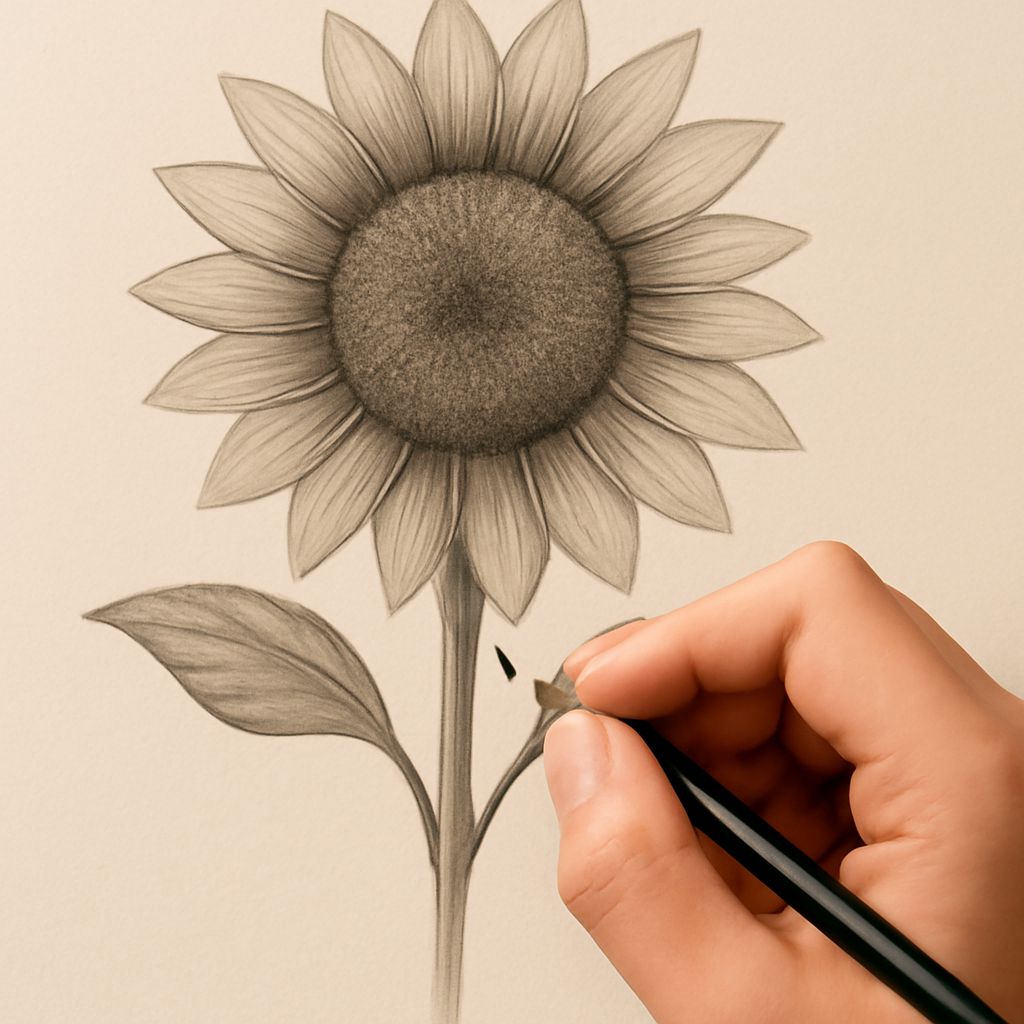
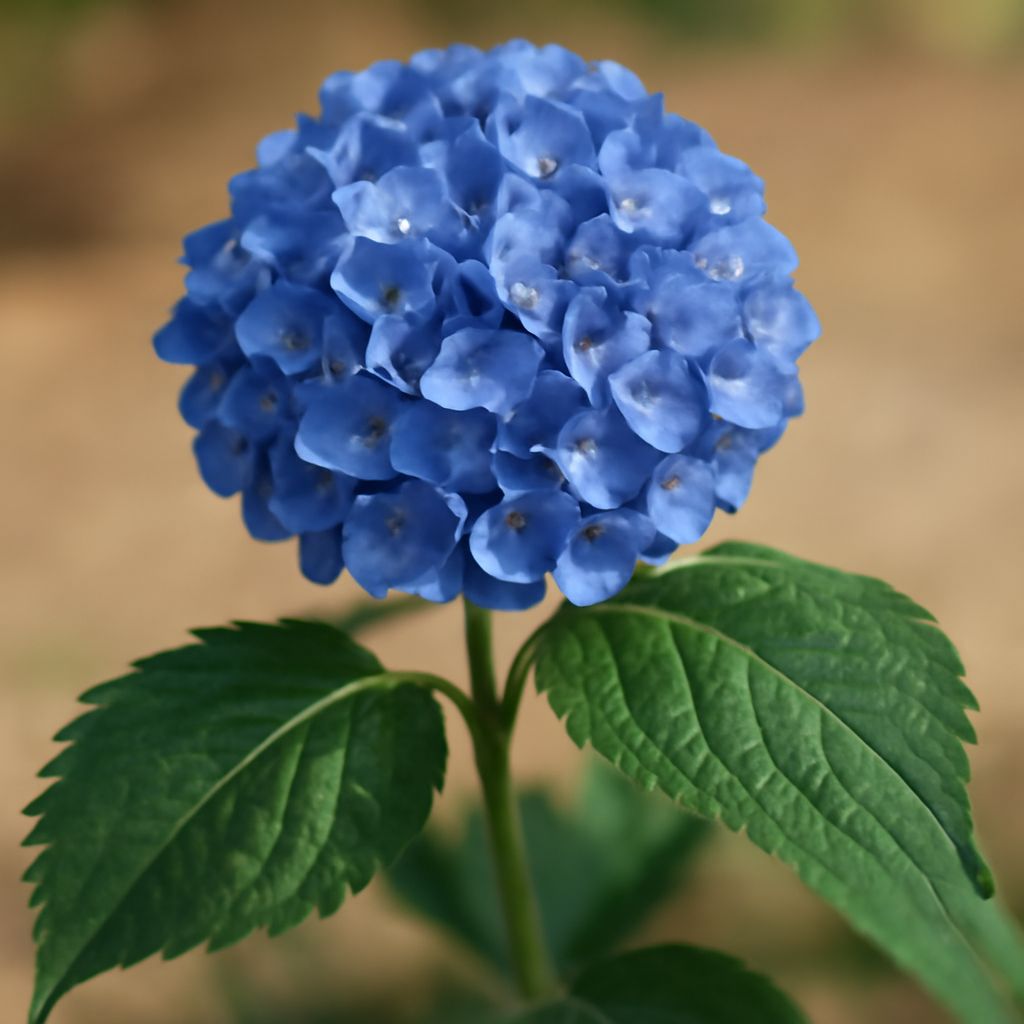
A hydrangea drawing begins not with individual florets but with the overall cluster mass. Lightly sketch a rounded dome shape for the full flower head — this is your boundary and compositional anchor before any detail is added. Then identify the major light and shadow zones within this mass: the top of the cluster catches direct light; the sides and interior gaps fall into shadow. This early value planning prevents the most common hydrangea drawing mistake: getting absorbed in individual florets before establishing the overall form, which produces drawings where the parts don’t add up to a convincing whole.
Once the overall mass is established, begin subdividing it into smaller clusters — groups of four to eight florets that sit at slightly different depths and angles within the main dome. This two-level structure (overall mass, then sub-clusters) is the key to a convincing hydrangea drawing at any level of detail. You can stop at the sub-cluster level for a loose, gestural result, or refine each sub-cluster into individual florets for a more botanical level of detail.
Individual Floret Structure
Each hydrangea floret has four rounded petals arranged in a cross pattern around a small central disc. The petals have a characteristic slight cupping and subtle surface veining that becomes visible under close inspection. In a finished hydrangea drawing, you don’t need to render every petal of every floret — selective detail in the foreground florets that taper to looser suggestion toward the cluster’s interior creates both spatial depth and a manageable workload.
Olaf Drawing: Character Subjects and Expressive Practice
The skills you develop in botanical work — careful observation, understanding structural hierarchy, building from overall form to detail — apply directly to character drawing, but character subjects like an olaf drawing also introduce challenges that botanical work doesn’t: expressive facial features, personality communication through pose and gesture, and the particular simplified anatomy of animated character design. An olaf drawing exercise teaches you to balance the character’s recognizable design elements (the carrot nose, the stick arms, the three-snow-ball body structure) with the expressive pose variations that make each drawing feel fresh rather than a rote copy.
Practice Olaf at various emotion states — happy, surprised, curious, melancholy — to develop the facial expression vocabulary that transfers to any character drawing work. Each emotional state requires specific changes to the eyes, eyebrow position, and mouth shape that you can study precisely within this familiar character before applying to original characters.
Pear Drawing: Simple Form with Complex Surface
A pear drawing offers a deceptively simple starting point — a shape most people can block in quickly — that opens into genuine complexity once you address the surface. The pear’s smooth skin has subtle color variation, translucency, and the characteristic surface blemishes and highlights that make individual fruits recognizable as specific objects rather than generic shapes. A careful pear drawing from life develops your sensitivity to subtle tonal variation and organic form in ways that perfect geometric objects (spheres, cubes) cannot.
The pear also has a distinctive weight distribution that makes its pose interesting: the heavier base and narrow neck create a specific balance point where the fruit sits, and capturing this weight convincingly requires understanding the form in three dimensions rather than just copying the outline. This three-dimensional awareness is exactly the skill that makes drawing plants — where leaves, stems, and petals all have specific spatial orientations — feel more intuitive over time.
Drawing Plants: Connecting Botanical Subjects
The broader practice of drawing plants builds a specific kind of observational sensitivity that portrait and figure work doesn’t develop as directly: the ability to see and render organic, non-symmetrical forms that follow biological rather than geometric logic. Plants grow toward light, respond to gravity, branch according to specific patterns — all of these growth logics create visual regularities that you can learn to see and use in your drawing of plants work. Once you understand these logics, plant subjects stop looking randomly complex and start looking intentionally structured, which makes them significantly easier to draw convincingly.